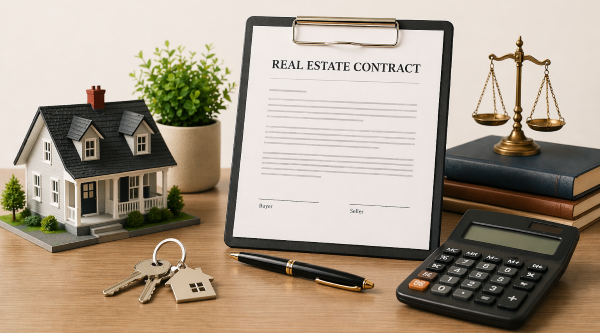
A “Buy Owner” deal—better known as buying a house directly from the owner without a realtor—can feel like a fast track to savings. You negotiate face‑to‑face, skip the middle layer, and keep more cash for closing or upgrades. But without professional guardrails, you also take on the risks agents normally manage—pricing, paperwork, inspections, title work, and emotions. A single misstep can cost more than any commission would. If you want a broader foundation before diving in, the early‑stage guides in the Real Estate Articles for Buyers hub can help you see where this step fits in the full journey. Use this guide to steer clear of the most expensive pitfalls and buy with confidence.
Buy Owner – But Avoid These Mistakes
Also known as a “Buy Owner” transaction, this guide shows you how to buy a house from an owner without a realtor—while avoiding the five mistakes that most often derail otherwise great deals. If you’re comparing approaches, the broader buyer education in the What Happens After an Offer Is Accepted? guide can help you understand how these risks differ from agent‑assisted purchases.
Mistake #1 — Handing Your Earnest Money to the Seller
The #1 way buyers get burned in a buy owner transaction is by giving earnest money directly to the seller. Once they hold your funds, there’s little to stop misuse, and recovering the money if the deal collapses can mean delays, disputes, or legal costs. Many first‑time buyers reading through the Real Estate Purchase Contract guide are surprised to learn how often this mistake happens.
Escrow protects both parties: funds are released to the seller at closing or returned to you if contract terms trigger a cancellation. Verify who holds escrow, how notices are delivered, and which deadlines control refunds.
Mistake #2 — Getting Too Personal with the Seller
Friendly is fine; personal is risky. When you bond too closely, negotiations blur. A casual remark about “gutting the kitchen” or “stretching the budget” can offend the seller or weaken your leverage. Keep it businesslike: stick to facts, comps, timelines, and written terms. If you need a grounding reference for staying objective, the negotiation‑focused pieces in the First-Time Home Buying Checklist offer helpful context.
Remember: the moment a deal feels personal, objectivity fades. Professional distance helps you negotiate cleanly and resolve issues faster.
Mistake #3 — Making Big Purchases Before Closing
Whether you buy through an agent or directly from the owner, avoid large purchases or new credit lines before closing. New debt can spike your debt‑to‑income ratio and trigger a last‑minute loan denial or a reduced approval amount. For a clearer sense of how lenders evaluate risk, the Closing Costs Guide helps you understand the financial checkpoints that matter most.
- Delay financed furniture, appliances, or a new car.
- Avoid “0% interest for 12 months” store cards—underwriting still counts them.
- Don’t co‑sign loans; it’s debt on your profile even if you’re not the payer.
Mistake #4 — Ignoring Deed Restrictions and HOA Rules
A home’s value isn’t just the building—it’s what you’re allowed to do with it. Deed restrictions and HOA rules may limit exterior changes, short‑term rentals, business use, parking, or the ability to add structures like sheds or pools.
Request HOA documents, bylaws, and recent meeting minutes before you finalize terms. If there’s no HOA, review the title commitment and recorded restrictions for the subdivision. Confirm whether rentals, accessory dwelling units, fences, or RV parking are permitted.
Mistake #5 — Skipping or Skimming the Home Inspection
“Move‑in ready” is not a guarantee. A professional home inspection is your best defense against costly surprises. Attend the inspection to see issues firsthand, ask questions, and understand which items are safety‑critical versus cosmetic.
- Prioritize structure, roof, foundation, electrical, plumbing, and HVAC.
- Ask about age/remaining life of big systems and estimated replacement costs.
- Use findings to negotiate repairs, credits, or price—within your contract timelines.
The Smart Way to Buy Owner
Buying directly from an owner isn’t reckless—it just requires structure. Keep your finances steady, use escrow, document everything, and rely on limited‑scope pros (title company, inspector, attorney) to cover the knowledge gaps an agent would handle. The cost is small; the protection is huge.
Next Steps
Ready to buy with confidence? Review your due‑diligence plan, line up your inspector, and confirm escrow and timelines in writing. If you want to see how this step fits into the broader buying landscape, the full Real Estate Articles hub gives you a wider view of the process from first thought to final closing.