Real Estate Purchase Contract: What It Really Means for Buyers and Sellers
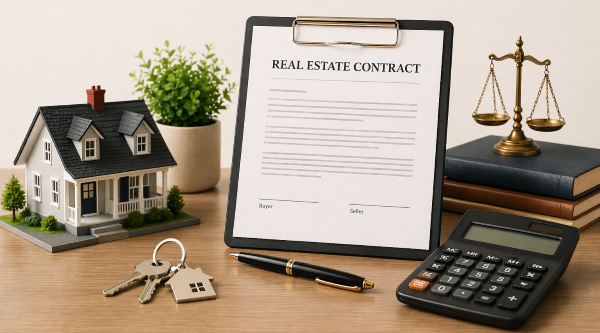
A real estate purchase contract is where intentions become commitments. It’s the moment when a buyer’s interest and a seller’s agreement turn into a legally binding roadmap. And if you’ve been exploring guides like these articles for buyers and sellers, you already know how much clarity matters at every step. This contract is no different. It protects both sides, sets expectations, and keeps the transaction moving with confidence.
Below is a calm, structured walkthrough of what this agreement includes, why it matters, and how to navigate it without stress.
What a Real Estate Purchase Contract Actually Does
A purchase contract isn’t just paperwork — it’s the backbone of the entire transaction. It outlines the price, the timeline, the responsibilities, and the conditions that must be met before closing. When written clearly, it prevents misunderstandings and keeps both parties aligned.
Most contracts include:
- The agreed‑upon purchase price
- Financing terms
- Contingencies
- Required disclosures
- What stays with the property
- Deadlines for inspections, repairs, and closing
Think of it as a shared playbook. Everyone knows the rules, the timing, and the next move.
Key Sections Buyers and Sellers Should Understand
Price and Financing Terms
This section confirms how the buyer will pay for the home — cash, conventional loan, FHA, VA, or another financing method. It also outlines deadlines for securing financing. If you’ve already explored topics like mortgage loan discount points, you know how much these details shape long‑term costs.
Contingencies That Protect Both Sides
Contingencies are conditions that must be met for the contract to move forward. Common examples include:
- Inspection contingency
- Appraisal contingency
- Financing contingency
- Sale‑of‑current‑home contingency
Each one protects the buyer from unexpected issues — and protects the seller from unnecessary delays. They’re not obstacles; they’re guardrails.
Property Condition and Required Disclosures
Sellers must disclose known issues, and buyers must complete inspections within the agreed timeline. This is where clarity prevents conflict. If you’ve read about how appraisals influence value, you know how important accurate information is.
Timelines: The Quiet Force That Keeps Everything Moving
Every contract includes deadlines — and they matter. Missing one can delay closing or even void the agreement. Typical timelines include:
- Inspection period
- Appraisal deadline
- Financing approval
- Title review
- Closing date
A good agent helps you stay ahead of these dates, but understanding them yourself builds confidence and reduces stress.
Earnest Money: A Sign of Serious Intent
Earnest money is a deposit that shows the buyer is committed. It’s held in escrow and applied to closing costs or the down payment. If the buyer backs out for a reason not covered by a contingency, they may lose it. If the seller fails to meet their obligations, the buyer may get it back.
It’s not a penalty — it’s a promise.
What Happens After Both Parties Sign
Once the contract is signed, the transaction enters the “offer to closing” phase. This is where inspections happen, repairs are negotiated, financing is finalized, and title work begins. If you want to see how this stage fits into the bigger picture, the guide on escrow accounts offers helpful context.
Why Understanding This Contract Matters
A real estate purchase contract isn’t just legal language — it’s a roadmap that protects your money, your timeline, and your peace of mind. When you understand what’s inside it, you make decisions with clarity instead of uncertainty.
And if you want to explore more foundational topics that support this one, the broader collection of real estate articles can help you see how each step connects.
More Guides to Strengthen Your Contract Confidence


Price agreed.
Terms defined.
Earnest money in place.
Now the contract doesn’t intimidate you
—
it works for you.
Home > Real Estate Articles >> Real Estate Articles for Buyers and Sellers >> Real Estate Purchase Contract
🔥Top Pages in July 2026

💌 Real Estate Marketing Talk Home Page→
Timely Strategies and Resources for Agents | Buyers, Sellers and Investors!
📝 Expired Listing Postcards →
Ideas That Flip the Script on Agent Visibility
🏷️How to Get Expired Real Estate Leads Without Cold Calling →
Create a system where expired listing owners call you first
📬Farming Expired Listings →
Simple System. Uncommon Results.
🏷️ Real Estate Agent Directory →
Magnetic Taglines That Pull Clients Toward You Instantly
🚪 Your Gateway to Targeted Insights

👔 For Agents →
Branding tips, lead gen strategies & marketing tools to grow your business
🏡 For Buyers → Smart buying guides, market insights & negotiation tips for your next move
📦 For Sellers → Listing prep, pricing strategies & proven tactics to sell fast and profitably
💰 For Investors → ROI-focused content, property analysis tools & market trend breakdowns