How Much Are Closing Costs When Buying a House?
A Calm, Clear Breakdown for Buyers

Closing costs can feel like the “surprise invoice” at the end of the home‑buying process — right when you thought you were done budgeting. The good news is this: once you understand what makes up closing costs, you can estimate them early, plan for them confidently, and avoid last‑minute stress.
Most buyers don’t realize how many moving parts feed into closing costs — lender fees, title work, insurance, taxes, and timing‑based prepaids. When you see how each piece fits together, the numbers stop feeling mysterious and start feeling manageable.
This guide breaks everything down calmly and clearly, so you can understand what you’re paying for, anticipate the range, and make smart decisions before you reach the closing table.
Quick Answer: How Much Are Closing Costs When Buying a House?
In real estate, buyers should expect closing costs to land roughly in the 2%–5% range of the purchase price. The exact number depends on your loan type, location, and negotiation strategy—and often connects to the bigger question of whether now is the right time to buy or sell based on current market conditions.
A calm way to estimate quickly
- Pick a baseline: Start with 3% of the purchase price as a planning number.
- Adjust for reality: If you’re buying down the interest rate, in a high-fee area, or paying more prepaid items upfront, plan higher.
- Pressure test your budget: Make sure your cash reserves still feel comfortable after accounting for closing costs.
What Closing Costs Are (And Why They Exist)
Closing costs are the collection of fees and prepaid items required to finalize the purchase. Some costs pay for services (like underwriting, title work, and escrow handling). Others are prepaids—items you’ll likely pay anyway, but they’re collected at closing (like homeowners insurance premiums or setting up an escrow cushion).
Think of closing costs in two buckets
- Lender + transaction fees: Fees to create, verify, and fund the loan, plus title/escrow processing.
- Prepaid items: Insurance, taxes, and interest that align your account to the payment calendar.
If this is your first purchase, it helps to follow a clear checklist so the money side never outruns the strategy side. This is exactly where the first time home buyers checklist earns its keep—because it keeps your budget, timing, and next steps aligned before you fall in love with a house.
Similarly, if you’re mapping out the full buying process, our guide on what to know before buying a house shows how closing costs fit into the larger steps you’ll take from offer to keys.
Typical Closing Cost Range: What Moves the Number Up or Down
Closing costs tend to be higher when:
- You pay discount points to reduce your interest rate.
- Your lender charges higher origination/underwriting fees.
- Local government charges higher transfer taxes or recording fees.
- You have larger prepaids (insurance, taxes) due to timing or escrow requirements.
- You choose extra services (special inspections, surveys, expedited processing).
Closing costs tend to be lower when:
- You compare lenders and choose a cleaner fee structure.
- You negotiate seller contributions (where market conditions allow).
- You avoid paying points unless the math truly works for your timeline.
- You time closing to reduce certain prepaids (when possible).
Big Fees Buyers Commonly See on Closing Disclosures
Not every fee shows up in every deal, but these categories appear often enough that you should recognize them on sight. (Names can vary by lender and location.)
1) Loan origination and underwriting fees
These are lender charges for creating and processing the mortgage. Sometimes they’re bundled. Sometimes they’re itemized. Either way, they’re a comparison point—because two lenders can offer the same rate and very different fees.
2) Appraisal fee
If you’re financing the purchase, the lender typically requires an appraisal to confirm value. The cost varies by market and property type—and plays a critical role in whether the deal moves forward as expected. Understanding how real estate appraisals work can help you avoid surprises late in the process.
3) Title search, title insurance, and settlement/escrow fees
Title work verifies ownership history and ensures the property can transfer cleanly. Settlement/escrow fees cover the professional handling of the closing and distribution of funds.
4) Recording fees and local transfer taxes
Recording fees are paid to the county for registering the deed and documents. Transfer taxes (where applicable) are local taxes tied to the sale.
5) Prepaids: homeowners insurance, taxes, and daily interest
These are commonly misunderstood. They’re not “junk fees.” They’re timing-based items collected at closing so coverage and payments line up properly from day one.
How Much Cash You’ll Need at Closing (Beyond the Down Payment)
Buyers often budget for the down payment—and then feel the squeeze when closing costs appear. A steady approach is to plan for:
- Down payment (based on loan program)
- Closing costs (use a planning range, then refine once you have a Loan Estimate)
- Moving + setup costs (utilities, deposits, initial repairs, essentials)
- Reserve cushion (so you don’t start homeownership feeling thin)
If you're planning repairs or upgrades after closing, using a home improvement contract checklist can help you manage those costs with clarity and avoid unexpected overruns.
If you’re comparing homes across different cities or states, this guide on buying a house out of state shows how closing costs, timing, and logistics can shift when you’re purchasing beyond your local market.
And if lifestyle factors are shaping your search, this breakdown on buying a home that fits your lifestyle can help you evaluate whether a home truly supports your daily routines and long‑term plans.
How to Reduce Closing Costs Without Getting Cute
Reducing closing costs doesn’t mean cutting corners. It means knowing what’s negotiable, what’s comparable, and what’s simply part of a legitimate transaction.
1) Compare loan estimates from more than one lender
Rates matter. Fees matter too. A “great rate” can hide expensive points or high origination charges.
2) Ask which fees are lender-controlled
Some items are third-party costs. Others are lender costs. When you know which is which, the conversation becomes clearer.
3) Consider whether points actually serve your timeline
Paying points can make sense if you plan to keep the loan long enough to break even. If not, it’s often better to keep cash on hand.
4) Negotiate seller concessions when the market allows
In some markets, sellers may contribute toward buyer closing costs as part of the deal structure. This is situational—but worth discussing.
5) Avoid last-minute changes that reset underwriting
Switching jobs, opening new credit, or changing loan terms late in the process can create delays and additional fees—these are classic examples of things buyers should never do before closing. Calm consistency wins.
Closing Costs — FAQ
Are closing costs the same as the down payment?
No. The down payment is the portion of the purchase price you pay upfront. Closing costs are separate fees and prepaid items required to complete the transaction, such as lender charges, title services, insurance, and taxes.
How much are closing costs when buying a house?
In many transactions, buyers can expect closing costs to fall roughly between 2% and 5% of the home’s purchase price. The exact amount depends on loan type, lender fees, local taxes, and whether any seller concessions are negotiated.
Can closing costs be rolled into the mortgage?
Sometimes. Certain loan programs allow some closing costs to be financed into the loan balance if the property value supports it. However, many purchase loans require buyers to pay most closing costs in cash at closing.
Who usually pays closing costs in a real estate transaction?
Both buyers and sellers typically pay closing costs, but the types of fees differ. Buyers often pay lender, appraisal, and insurance costs, while sellers commonly cover agent commissions and some transfer taxes.
What closing cost surprises catch buyers off guard?
Prepaid expenses often surprise buyers the most. Items such as homeowners insurance, property tax escrows, and daily mortgage interest can increase the amount of cash required at closing depending on the timing of the purchase.
If you’d like to keep learning in a simple, organized way, browse our full collection of real estate articles for buyers for guidance on budgeting, shopping, negotiations, and next-step decisions.
Next Steps for Smart Home Buyers
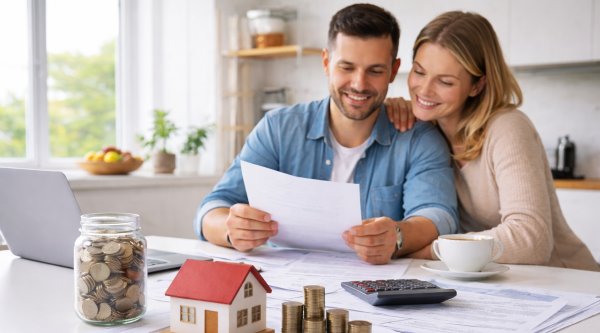


How much are closing costs when buying a house?
Estimate early. Confirm the numbers. Keep your cushion. Close prepared. Leave confident.
Home Page > Real Estate Articles for Buyers >> How Much Are Closing Costs When Buying a House?
🔥Top Pages in July 2026

💌 Real Estate Marketing Talk Home Page→
Timely Strategies and Resources for Agents | Buyers, Sellers and Investors!
📝 Expired Listing Postcards →
Ideas That Flip the Script on Agent Visibility
🏷️How to Get Expired Real Estate Leads Without Cold Calling →
Create a system where expired listing owners call you first
📬Farming Expired Listings →
Simple System. Uncommon Results.
🏷️ Real Estate Agent Directory →
Magnetic Taglines That Pull Clients Toward You Instantly
🚪 Your Gateway to Targeted Insights

👔 For Agents →
Branding tips, lead gen strategies & marketing tools to grow your business
🏡 For Buyers → Smart buying guides, market insights & negotiation tips for your next move
📦 For Sellers → Listing prep, pricing strategies & proven tactics to sell fast and profitably
💰 For Investors → ROI-focused content, property analysis tools & market trend breakdowns