First-Time Home Buying Checklist: A Step-by-Step Guide to Buying Smart

Buying your first home is exciting — and overwhelming. This first-time home buying checklist walks you step-by-step through the entire process, from budgeting and pre-approval to inspections, negotiations, and closing. If you want to avoid costly mistakes and move forward with confidence, this guide gives you the structure smart buyers follow.
If you’re just starting your research, review our detailed guide on what to know before buying a house to build a stronger foundation before touring properties. And if you’re considering a move to another city or state, this guide on buying a house out of state can help you understand how the process works when you’re relocating.
Whether you're buying your first home or preparing for your next move, understanding the home buying process in advance gives you leverage, clarity, and negotiating power.
1. Start With a Strategy — Not Just a Wishlist
Before touring homes, define your plan. The best first-time home buyers shop with purpose, not emotion. If lifestyle matters, make sure the home actually supports your daily routines — our guide on buying a home that fits your lifestyle walks you through how to evaluate that.
- How long will you stay in the home?
- What is your true monthly comfort zone?
- Are you buying for lifestyle, investment, or both?
Clarity reduces regret. Strategy reduces stress.
As you move forward, staying aware of the things buyers should never do before closing can help protect your deal from avoidable setbacks.
2. Get Pre-Approved Before You Shop
Pre-approval strengthens your offer and clarifies your price range. Sellers and agents take prepared buyers seriously.
Know the difference between pre-qualification (estimate) and pre-approval (verified documentation).
3. Choose the Right Real Estate Agent
Your agent should educate, advocate, and negotiate — not just unlock doors.
- How well do they know your target neighborhoods?
- What is their negotiation style?
- Do they specialize in working with first-time buyers?
Before committing to representation, review these agent interview questions every buyer should ask to make sure you're choosing wisely.
4. Define Your Must-Haves Clearly
Separate needs from wants.
- Must-haves: Non-negotiables
- Nice-to-haves: Flexible features
- Deal-breakers: Hard no items
This prevents emotional decisions that stretch your budget or compromise long-term value.
5. Expand Your Search: Explore Every Housing Option
Once you know what you want, widen your search strategically. Many first-time home buyers focus only on traditional MLS listings, but valuable opportunities can exist outside the obvious.
- For Sale By Owner (FSBO) properties
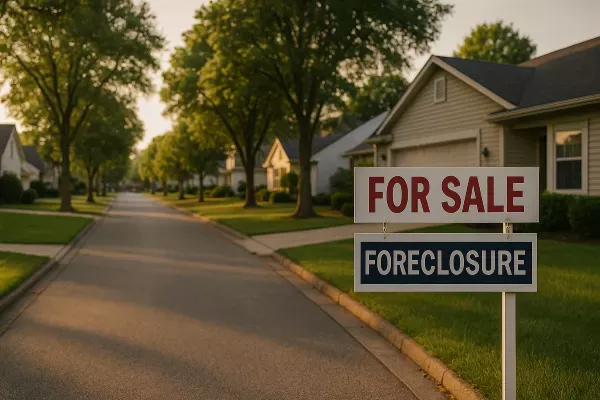
- Foreclosures and bank-owned homes
- HUD properties
- New construction communities
Each path has different contract structures, timelines, and negotiation dynamics. HUD homes, for example, often require working with an agent approved to handle government-owned transactions. Expanding your options can uncover value others miss — but only if you understand the process.
6. Evaluate the Neighborhood Carefully
You are buying more than a house — you are buying a location.
- Visit at different times of day
- Research commute times
- Check resale trends
- Observe noise and traffic patterns
Location decisions deserve careful research. Our guide to choosing the right neighborhood walks you through what to evaluate before making an offer.
7. Consider All Housing Options Carefully
First-time home buyers shouldn’t limit their search prematurely. Traditional MLS listings are only one option.
- For Sale By Owner (FSBO) properties
- Foreclosures
- HUD homes
- New construction
Each option comes with unique negotiation dynamics and contract requirements. HUD homes, for example, often require working with an approved agent familiar with the process. Expanding your search strategically can uncover value others overlook.
8. Look Beyond Staging
Attractive décor can hide structural issues. Stay objective.
- Check ceilings and walls for cracks
- Look for signs of water damage
- Ask about HVAC and roof age
9. Never Skip the Home Inspection
Inspections reveal hidden issues that could cost thousands later.
Use inspection findings to renegotiate price or request repairs when necessary.
10. Budget Beyond the Mortgage
First-time home buyers often underestimate total costs. One of the biggest surprises is understanding how much closing costs when buying a house. Plan for:- Closing costs (2–5%)
- Property taxes
- Homeowners insurance
- Maintenance and repairs
- HOA fees if applicable
11. Timing Matters — But Readiness Matters More
The best time to buy is when your finances, stability, and goals align — not when headlines say rates may change.
12. Common First-Time Home Buyer Mistakes to Avoid
- Falling in love before reviewing the numbers
- Waiving inspections to compete
- Maxing out your approval limit
- Ignoring resale potential
- Making large purchases before closing
You may also want to read 5 mistakes first-time homebuyers make to avoid preventable setbacks.
Smart buyers protect flexibility and think long term.
13. How Much Money Do You Really Need to Buy a House?
Beyond your down payment, plan for:
- Closing costs
- Inspection and appraisal fees
- Moving expenses
- Immediate repairs or upgrades
- Emergency savings cushion
Financial preparation reduces stress during underwriting and after move-in.
14. First-Time Home Buying Timeline: What to Expect
- 1–4 weeks: Budgeting and pre-approval
- 2–8 weeks: Active home search
- 30–45 days: Contract to closing
Knowing the timeline helps manage expectations and reduces anxiety.
Final Thoughts: Smart Buyers Follow a Checklist
Buying your first home is a milestone — but it is also a financial strategy decision. Preparation, research, and discipline separate confident buyers from overwhelmed ones.
If you follow this first-time home buying checklist step-by-step, you won’t just buy a house — you’ll make a smart, informed investment in your future.
Explore more guidance inside our Real Estate Articles for Buyers.
Buyer Planning Resources


Plan smart.
Move deliberately.
Follow your first-time home buying checklist.
That’s how confident buyers win.
Home > Real Estate Articles for Buyers > First-Time Home Buying Checklist:
🔥Top Pages in July 2026

💌 Real Estate Marketing Talk Home Page→
Timely Strategies and Resources for Agents | Buyers, Sellers and Investors!
📝 Expired Listing Postcards →
Ideas That Flip the Script on Agent Visibility
🏷️How to Get Expired Real Estate Leads Without Cold Calling →
Create a system where expired listing owners call you first
📬Farming Expired Listings →
Simple System. Uncommon Results.
🏷️ Real Estate Agent Directory →
Magnetic Taglines That Pull Clients Toward You Instantly
🚪 Your Gateway to Targeted Insights

👔 For Agents →
Branding tips, lead gen strategies & marketing tools to grow your business
🏡 For Buyers → Smart buying guides, market insights & negotiation tips for your next move
📦 For Sellers → Listing prep, pricing strategies & proven tactics to sell fast and profitably
💰 For Investors → ROI-focused content, property analysis tools & market trend breakdowns