How Smart Listing Preparation Helps Homes Sell Faster (And Protects Your Price)
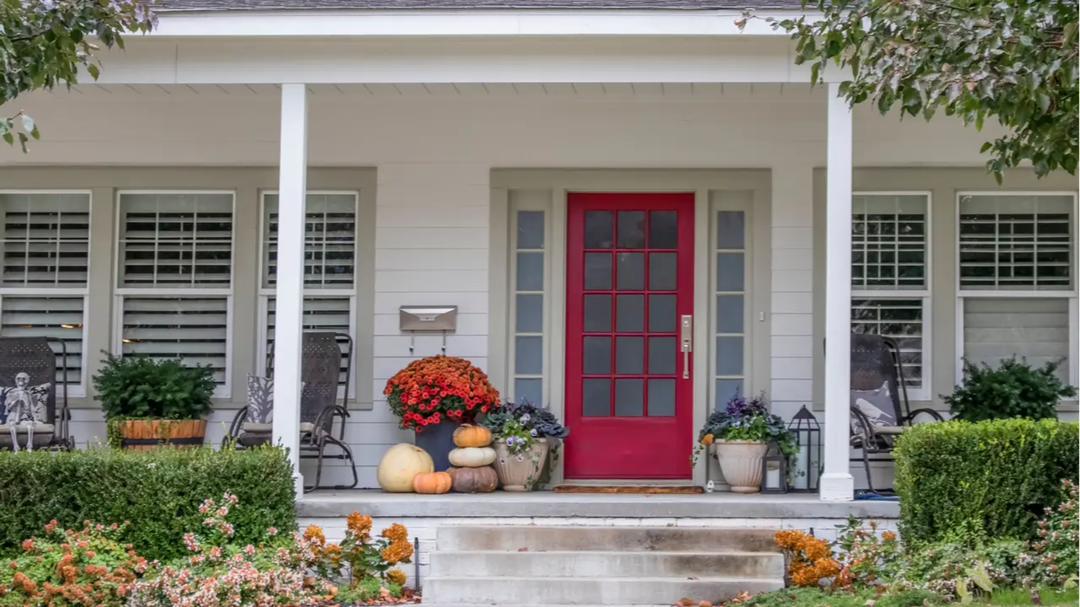


First Impressions Sell: curb appeal, staging, and sensory prep quietly shape buyer expectations and support pricing power.
Smart listing preparation helps homes sell faster, attract stronger offers, and protect price. Before the first flyer is printed, email is sent, or open house is promoted, the property itself needs to be positioned to win. When a home looks cared for, move-in ready, and visually appealing, every other marketing effort performs better—online and in person.
For a broader look at how preparation fits into your overall marketing strategy, explore these real estate marketing tips that help agents attract attention and convert listings into showings and offers.
Great marketing gets attention, but readiness is what converts attention into showings, conversations, and offers. That’s why listing preparation isn’t just a maintenance task—it’s a marketing advantage. Presentation, psychology, first impressions, and emotional triggers all work together to influence how buyers experience the property and what they believe it’s worth.
When agents master this, the results compound: fewer objections during showings, stronger buyer interest, smoother feedback, and pricing conversations that lean in your favor. In competitive markets, preparation becomes a value signal. In slower markets, it becomes a differentiator. In every market, it’s leverage.
Why Curb Appeal Is Still One of the Strongest Marketing Signals
Curb appeal sets the tone for everything that happens next. Long before buyers step inside, they begin forming perceptions about value, condition, and how well the home has been cared for. A clean exterior, a freshly cut lawn, trimmed hedges, and an inviting entry send a silent but powerful message: this listing is worth seeing.
If you want a deeper breakdown of why these exterior details matter so much, this guide on curb appeal strategies shows how small improvements can dramatically shift buyer perception before they even reach the front door.
When a home looks neglected from the street—overgrown grass, peeling paint, debris near the porch—buyers don’t just notice it; they mentally adjust the price downward. Even small issues can create a “hidden problems” assumption that follows them inside. That makes curb appeal less about cosmetics and more about protecting the seller’s negotiating leverage.
If a property is vacant, seasonal, or owned by out-of-town sellers, coordinating lawn care or basic exterior upkeep can be one of the smartest investments an agent makes. The cost is small, but the return is measurable: better photos, stronger showings, and fewer objections during feedback.
Think of curb appeal as the first showing, even if no one has stepped out of the car yet. It shapes expectations, influences emotions, and primes buyers to view the interior through a more favorable lens. In a competitive market, this quiet first impression can be the reason buyers choose to schedule a showing instead of scrolling past.
Decluttering Isn’t Cosmetic—It’s Strategic
Decluttering isn’t about removing personality from a home—it’s about removing friction from a buyer’s imagination. When rooms are crowded with oversized furniture, personal collections, or everyday items, buyers struggle to visualize themselves living there. The space feels smaller, the flow feels restricted, and attention drifts away from the home’s strengths.
For a deeper look at how strategic preparation shapes buyer perception, this Staging for Success guide breaks down the specific areas that create the biggest impact during showings.
A focused decluttering plan turns the interior into a marketing asset. By removing excess items, clearing surfaces, and simplifying wall space, you create visual breathing room. This allows natural light, architecture, and square footage to do the heavy lifting. In many cases, removing rather than adding creates the most desirable presentation.
For sellers with a lot to pack or store, a temporary storage unit can completely change the emotional impact of a showing. It signals readiness, motivation, and value protection. Closets instantly feel larger, bedrooms feel more functional, and
Sensory Details That Quietly Influence Buyers
Buyers don’t just evaluate a home with their eyes — they respond to it emotionally and with their senses. The right sensory cues can create calm, comfort, curiosity, and even attachment before they’ve reached the second room. These subtle details influence perception, pacing, and the emotional temperature of the showing.
Lighting is one of the most underrated tools. Replacing harsh overhead bulbs with soft, warm lighting instantly changes the atmosphere. Opening blinds, raising shades, and clearing window ledges invites natural light to do what it does best — sell space, brighten corners, and make rooms feel bigger and more alive. Light is free marketing.
Scent matters as well, but subtlety is key. Overpowering plug-ins and heavy perfumes can feel like a cover-up. Instead, aim for clean, neutral, and soft. Fresh air, gentle citrus, or light vanilla signals cleanliness and comfort without distraction. At open houses, the aroma of something warm from the kitchen — cookies, bread, cinnamon — can trigger positive memory and help buyers settle in emotionally.
Finally, consider sound. A quiet instrumental playlist or soft background music creates flow and reduces the instinct for buyers to rush. It keeps energy moving through the house and makes each room feel more intentional. When buyers feel comfortable lingering, they imagine living there — and that’s when interest turns into offers.
Coaching Sellers Without Creating Resistance
Guiding sellers through listing preparation is one of the most delicate parts of the process. Even small suggestions can feel personal, especially when you’re talking about their home, their habits, and the way they live day-to-day. The key is framing. People rarely resist change when they understand the purpose behind it — they resist when they feel judged, overwhelmed, or blindsided.
Instead of telling sellers what’s “wrong,” position preparation as an advantage. Use language like, “This will help buyers focus on the home, not the details,” or “This sets us up to protect your price and negotiate with strength.” This keeps the conversation about strategy, not criticism. The message becomes, “We’re elevating the home,” not “We’re fixing it.”
Breaking changes into stages also prevents emotional pushback. Start with high-impact improvements first — curb appeal, decluttering, lighting, scent, staging key areas — and save personal or stylistic decisions for last. Big wins early build trust, momentum, and cooperation. Sellers feel progress rather than pressure.
For another simple way to build trust and open low‑pressure conversations with future sellers, this guide on using books to generate real estate leads shows how educational marketing can warm up prospects long before the listing appointment.
Above all, anchor every recommendation in purpose: better photos, stronger showings, fewer objections, a cleaner negotiation path, and an improved perception of value. When sellers see each adjustment as a tool — not a judgment — they become participants in the marketing process, not obstacles to it.
Small Changes That Can Protect (and Even Increase) Price
Small, inexpensive changes can have a measurable impact on buyer perception and offer strength. Improving curb appeal, refreshing landscaping, updating lighting, repainting key areas, and removing visual distractions all contribute to what buyers believe the home is worth before they even ask the price. These changes don’t alter the property — they alter the experience of it.
If you want to explore additional ways small improvements can strengthen buyer perception and support stronger pricing, this guide on increasing the value of your home breaks down simple upgrades that deliver outsized returns.
Strategic preparation helps eliminate the objections that sabotage negotiations: concerns about condition, maintenance, outdated features, or “hidden issues.” When the home feels well cared for, buyers are less likely to push for aggressive concessions or expect the seller to “make up the difference” in price. It creates a friction-free negotiation path.
And once the home is prepared to show well, every agent who walks through the door becomes a quiet marketing touchpoint — which is why this guide on turning lockbox activity into lead flow is such a natural extension of strong listing prep.
Even modest investments can trigger a disproportionate return: $150 in yard cleanup, $300 in paint, $50 in lighting, or a weekend of decluttering can raise enthusiasm, reduce inspection anxiety, and strengthen the buyer’s emotional connection. When buyers fall in love early in the process, they fight harder to win the home — not discount it.
In competitive markets, these refinements can justify pricing at the top of range. In slower markets, they can prevent the downward pressure that leads to price reductions. Either way, preparation becomes leverage. Instead of hoping buyers overlook flaws, you’re intentionally directing their attention toward the home’s strengths — and that’s where value lives.
Related Pages: Listing Prep & Showing-Readiness Marketing Strategies


Frequently Asked Questions About Listing Prep & Showing Readiness
How much should I ask sellers to do before listing their home?
Most homes don’t need a full renovation — they need correction. Think: curb appeal, personalized clutter removal, neutral sensory cues, and surface-level refreshes. The goal is to make buyers feel confident, not overwhelmed. Small changes often influence price more than big projects.What’s the fastest way to make a home feel more valuable during showings?
Focus on first impressions: the entry walkway, lighting levels, air quality, and one standout feature that photographs well. These elements shape buyer expectations within seconds and can dramatically impact perceived value — long before negotiation begins.Should staging be different for occupied vs. vacant homes?
Yes. Occupied homes benefit from selective removal and reorganizing; vacant homes benefit from intentional placement that signals function and scale. The goal in both cases is emotional suggestion: “I can see myself living here.”Can simple sensory cues really influence buyer decisions?
Absolutely. Buyers decide with emotion first and justify with logic second. Clean air, soft lighting, and subtle scent direction (not overpowering fragrance) quietly support confidence. It’s influence, not manipulation — comfort sells homes.Should I recommend repairs before listing or disclose them as-is?
Minor visible repairs are worth addressing; invisible issues are better disclosed transparently. Fix what impacts first impressions. Disclose what could derail negotiations later. This protects trust and keeps the leverage on your side.Home > Real Estate Marketing Tips > Listing Preparation Real Estate Marketing
🔥Top Pages in July 2026

💌 Real Estate Marketing Talk Home Page→
Timely Strategies and Resources for Agents | Buyers, Sellers and Investors!
📝 Expired Listing Postcards →
Ideas That Flip the Script on Agent Visibility
🏷️How to Get Expired Real Estate Leads Without Cold Calling →
Create a system where expired listing owners call you first
📬Farming Expired Listings →
Simple System. Uncommon Results.
🏷️ Real Estate Agent Directory →
Magnetic Taglines That Pull Clients Toward You Instantly
🚪 Your Gateway to Targeted Insights

👔 For Agents →
Branding tips, lead gen strategies & marketing tools to grow your business
🏡 For Buyers → Smart buying guides, market insights & negotiation tips for your next move
📦 For Sellers → Listing prep, pricing strategies & proven tactics to sell fast and profitably
💰 For Investors → ROI-focused content, property analysis tools & market trend breakdowns