What to Look for at an Open House
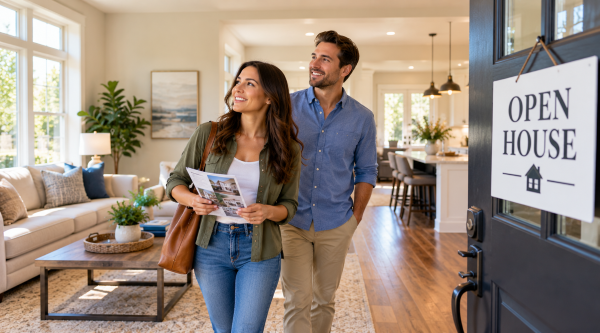
Open houses give you a calm, low‑pressure way to explore homes, neighborhoods, and layouts without committing to anything. They help you sharpen your preferences, understand how different homes live, and get a feel for what truly matters to you. Whether you’re upsizing, downsizing, or buying your first home, attending a few open houses can bring clarity faster than hours of online searching.
This guide walks you through what to look for, how to evaluate each space, and how to stay grounded and confident throughout the process. Think of it as a steady, conversational coach — helping you notice the details that matter and ignore the ones that don’t.
What to Look For at an Open House
Open houses aren’t just casual walk‑throughs. They’re opportunities to observe how a home supports your daily life. As you move through each room, keep your pace relaxed. You’re not judging the home — you’re learning from it.
Below are the core areas to focus on as you explore.
Layout & Flow
How the Home Lives
Pay attention to how rooms connect. Does the flow feel natural? Can you imagine moving through the home during a typical day — mornings, meals, downtime, and evenings? Look for transitions that feel intuitive rather than forced.
- Open hallways that don’t feel cramped
- Logical movement between kitchen, dining, and living areas
- Bedrooms placed where they make sense for your lifestyle
- A layout that supports how you actually live
Room Size & Proportion
Staging can make rooms appear larger or smaller. Step back and picture your own furniture. If you’re unsure, imagine the largest piece you own — your bed, sectional, or dining table — and mentally place it in the room.
Condition & Red Flags
Surface-Level Clues
You don’t need to be a contractor to spot early signs of wear. Look for cracks around windows, uneven floors, water stains, aging HVAC units, or windows that stick. These aren’t automatic deal‑breakers — just signals worth noting.
Smells, Sounds, and Temperature
Homes communicate quietly. Notice musty smells, excessive air fresheners, rooms that feel hotter or colder than others, or loud street noise. These subtle cues help you understand the home’s true condition.
Neighborhood Signals
Street Activity
Before you walk inside, pause and look up and down the street. Notice how neighbors maintain their homes, the pace of traffic, noise levels, and the general energy of the area. Neighborhoods have personalities — let yourself feel them.
Schools, Parks, and Daily Convenience
Even if you don’t have children, school zones influence long‑term value. Parks, grocery stores, and commute routes shape daily life. Use the open house as a starting point to explore the area calmly and without pressure.
Lifestyle Fit
How the Home Supports Your Routine
Think about your mornings, evenings, and weekends. Does the home make those moments easier? Consider kitchen layout, space for hobbies or work, storage for seasonal items, and outdoor areas for relaxing or entertaining.
A home doesn’t need to be perfect. It just needs to support the life you want to live.
Buyer Etiquette
Respect the Space
If the home is occupied, be mindful of personal belongings. Ask before opening closed doors. Use shoe covers if provided. Treat the home as if it were your own.
Respect Your Agent
If you already have an agent, mention it when signing in. It keeps relationships clear and professional.
Move at Your Own Pace
Some agents will guide you. Others will let you explore. Either way, stay relaxed. Ask questions when you need clarity.
Open House — FAQ
Should I attend open houses before I’m ready to buy?
Yes. Early visits help you clarify your preferences and understand how different homes live. They make your eventual search more focused and efficient.
Is it okay to explore without an agent?
Absolutely. Just note on the sign‑in sheet if you’re already working with one. It keeps everything professional and avoids confusion.
What if I find a home I love at an open house?
Reach out to your agent immediately. They’ll help you evaluate the home, review disclosures, and decide whether it’s worth pursuing.
How many open houses should I visit?
Enough to feel confident. Some buyers need two or three. Others need ten. The goal is clarity, not speed.
Strategic Pages To Read Next
These quick-reference guides help buyers get clear answers fast:
- Straightforward guidance every first-time buyer should know before making a move
- Common first-time buyer mistakes and how to avoid them with confidence
- Critical things buyers should never do before closing to protect the purchase
More Buyer Guides, Tools & Related Real Estate Resources


Home > Real Estate Articles > Real Estate Articles for Buyers > Attend Open Houses
🔥Top Pages in September 2026

💌 Expired Listing Letters →
Send the message that gets sellers calling you back
🏷️ Real Estate Agent Directory →
Get discovered by buyers, sellers, and referral partners searching for agents
📝 Email Marketing for Real Estate Agents →
Send emails that spark replies and start real conversations
🏷️Real Estate Marketing Talk Blog →
Get fresh ideas that help agents grow, connect, and win more business
📬Real Estate Website Content →
Simple System. Uncommon Results.
🚪 Your Gateway to Targeted Insights

👔 For Agents →
Branding tips, lead gen strategies & marketing tools to grow your business
🏡 For Buyers → Smart buying guides, market insights & negotiation tips for your next move
📦 For Sellers → Listing prep, pricing strategies & proven tactics to sell fast and profitably
💰 For Investors → ROI-focused content, property analysis tools & market trend breakdowns