How to Buy Foreclosures: A Clear, Steady Path to Opportunity

How to buy foreclosures is less about chasing deals and more about understanding situations. While many buyers scroll listings hoping to “spot a bargain,” experienced buyers take a different approach—they study the landscape first. If you want a broader understanding of how these opportunities fit into the market, this collection of real estate articles for buyers and sellers is a helpful place to start.
Because foreclosures aren’t just discounted homes. They represent timing, pressure, and transition. When you understand that, the process begins to feel less intimidating—and far more strategic.
Why Foreclosures Attract Smart Buyers
Foreclosures tend to draw attention for one obvious reason—price. But price alone doesn’t explain the appeal. What experienced buyers recognize is positioning.
Foreclosed properties often enter the market under different conditions than traditional listings. Banks want resolution. Timelines shift. Negotiations are less emotional and more procedural. That shift creates opportunity—but only for those who understand how to move within it.
If you’re still building your foundation, this foreclosures guide helps frame how these properties show up and why they exist in cycles.
Opportunity Comes With Responsibility
A lower purchase price can be appealing, but it’s rarely the full story. Foreclosures often involve deferred maintenance, limited disclosures, and unexpected costs. The opportunity isn’t in the discount—it’s in how well you evaluate what comes with it.
Understanding the Types of Foreclosures
Not all foreclosures behave the same. Recognizing where a property sits in the process can shape your strategy from the start.
Pre-Foreclosures and Short Sales
These properties exist before full repossession. There’s still a homeowner involved, which introduces flexibility—but also complexity. Timelines can stretch. Negotiations can feel uncertain.
If you want to explore how these deals come together, this breakdown of preforeclosures and short sales offers practical insight into how buyers approach them.
REO (Real Estate Owned) Properties
Once a property becomes bank-owned, the process tends to feel more structured. Listings are clearer. Offers follow defined channels. But with that structure comes competition.
This overview of REO foreclosures explains how banks price and manage these properties—and what that means for buyers.
How to Buy Foreclosures Step-by-Step
There’s a rhythm to buying foreclosures. Once you understand it, the process becomes less reactive and more intentional.
Start With Your Strategy
Before you look at a single property, decide your purpose. Are you buying to live in the home, renovate and sell, or hold as a rental?
That decision influences everything—from the types of properties you consider to the level of risk you’re willing to accept.
Secure Financing Early
Foreclosure opportunities can move quickly. Having financing in place—whether through a lender or available capital—allows you to act with confidence when the right property appears.
Find Opportunities Consistently
Strong buyers don’t rely on a single source. They combine listing platforms, agent relationships, and public records to stay ahead of opportunities.
Before you make an offer, it helps to know where the best opportunities are coming from. This guide on how to find foreclosures can help you spot promising leads before they pass you by.
Evaluating the Deal—Not Just the Price
One of the most common shifts new buyers make is moving from “price-focused” to “deal-focused.”
Look Beyond the Listing Price
The true value of a foreclosure emerges after you account for repairs, holding costs, financing, and your intended outcome.
A lower purchase price can disappear quickly if the underlying numbers don’t hold up.
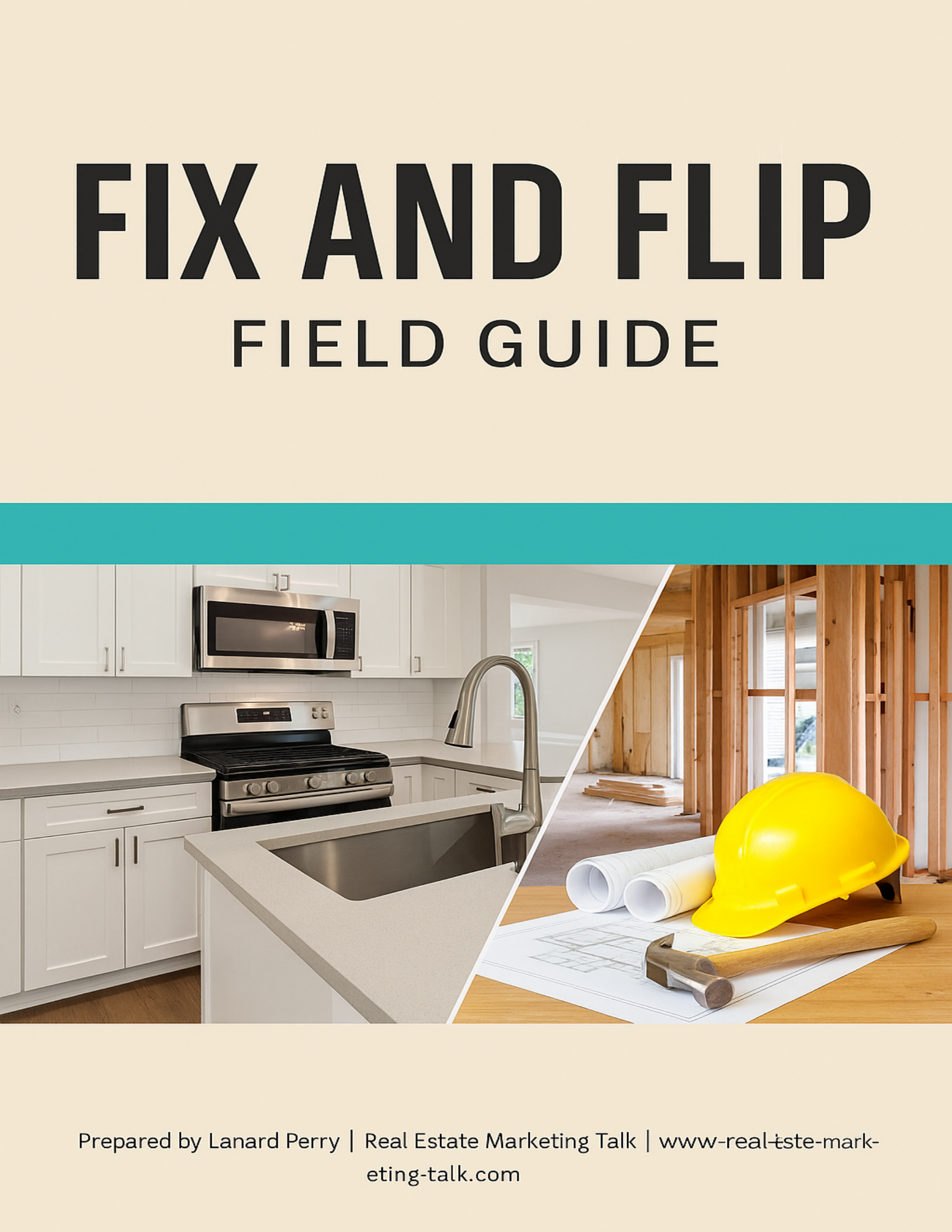
This is where a clear evaluation framework becomes essential. This fix and flip field guide walks you through how to analyze deals, estimate repairs, and avoid costly mistakes before you commit.
Factor in Condition and Risk
Foreclosures are often sold as-is. That means inspections, contractor estimates, and conservative budgeting become essential—not optional.
Common Mistakes to Avoid
Most missteps aren’t dramatic—they’re small decisions that compound over time.
Overestimating Value
It’s easy to assume a property will be worth more after improvements. The market ultimately determines value, not projections.
Underestimating Repairs
Unexpected repairs are part of the process. Building in a buffer helps protect your investment.
Moving Too Quickly
Speed matters—but clarity matters more. Acting without full understanding often leads to avoidable setbacks.
Is Buying Foreclosures Worth It?
It can be—but only when approached with preparation.
Foreclosures reward buyers who take the time to understand the process, evaluate deals carefully, and move with intention. They tend to challenge those who rely on assumptions or chase quick wins.
The difference isn’t luck. It’s perspective.
Final Thoughts on How to Buy Foreclosures
At first glance, foreclosures can feel complex. But with the right approach, they become manageable—and eventually familiar.
Start with understanding. Build your process. Stay patient.
Over time, what once felt uncertain begins to feel repeatable. And that’s where the real opportunity shows up—not just in finding a deal, but in recognizing how each step fits into something bigger. If you’re thinking beyond a single purchase, this approach to building wealth buying foreclosures shows how consistent decisions turn into long-term results.
Next Steps to Keep You Moving


How to buy foreclosures comes down to clarity.
See the deal. Make the move. Own the win
If you’d like to explore more real estate topics — from buying and selling to investing and marketing — my Real Estate Articles Hub brings all of my most useful guides together in one place. Happy prospecting!
Home Page > Foreclosures >> How to Buy Foreclosures
🔥Top Pages in July 2026

💌 Real Estate Marketing Talk Home Page→
Timely Strategies and Resources for Agents | Buyers, Sellers and Investors!
📝 Expired Listing Postcards →
Ideas That Flip the Script on Agent Visibility
🏷️How to Get Expired Real Estate Leads Without Cold Calling →
Create a system where expired listing owners call you first
📬Farming Expired Listings →
Simple System. Uncommon Results.
🏷️ Real Estate Agent Directory →
Magnetic Taglines That Pull Clients Toward You Instantly
🚪 Your Gateway to Targeted Insights

👔 For Agents →
Branding tips, lead gen strategies & marketing tools to grow your business
🏡 For Buyers → Smart buying guides, market insights & negotiation tips for your next move
📦 For Sellers → Listing prep, pricing strategies & proven tactics to sell fast and profitably
💰 For Investors → ROI-focused content, property analysis tools & market trend breakdowns