How To Prepare for a Real Estate Listing Presentation
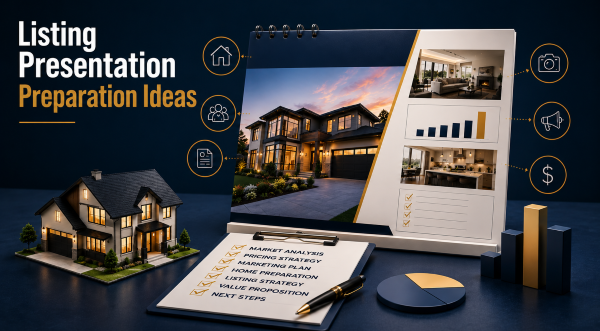
A strong listing presentation doesn’t start at the kitchen table — it starts long before you walk through the door. Preparation is what separates agents who “wing it” from agents who win consistently. This guide walks you through a clean, practical structure you can plug into your business today and pair with the strategies inside Real Estate Agent Articles.
Think of this as your listing‑day foundation. Whether you’re competing for a high‑value listing, presenting to analytical homeowners, or meeting sellers who are interviewing multiple agents, preparation gives you clarity, confidence, and control. It also helps you deliver a presentation that feels polished, relevant, and tailored — not generic.
As you work through this page, you’ll see how each piece connects: your pre‑appointment research, your pricing strategy, your marketing plan, your comps, and your delivery. A listing presentation isn’t a slideshow — it’s a system. And when you prepare well, everything else becomes easier.
Why Preparation Matters
Preparation builds trust. Sellers want to feel understood, supported, and confident that you can guide them through the process. When you show up prepared, you communicate professionalism before you ever open your laptop.
It shows respect for the homeowner
You’re demonstrating that their home, their goals, and their time matter. A prepared agent stands out immediately, especially when you’ve clearly done your homework on their property and neighborhood.
It positions you as the expert
When you know the market, the comps, the trends, and the pricing strategy, sellers feel they’re in capable hands. This is where tools like your real estate newsletter can reinforce your expertise long before the appointment and keep you top of mind.
It increases your win rate
Prepared agents win more listings. Sellers can feel the difference between confidence and improvisation. A clear, structured listing presentation makes it easier for them to say “yes” to you.
Core Elements of a Strong Listing Presentation
A great listing presentation is built on clarity, relevance, and structure. You don’t need a flashy deck — you need a conversation that connects the dots between the seller’s goals and your strategy.
Your understanding of the homeowner’s goals
Why are they selling? What’s their timeline? What matters most — speed, price, convenience, or a smooth transition? When you can restate their goals clearly, they feel heard and understood.
Your pricing strategy
Pricing is the heart of the presentation. Show your comps, explain your methodology, and demonstrate how your strategy protects their equity. A clear pricing narrative builds confidence and reduces second‑guessing later.
Your marketing plan
This is where your Real Estate Marketing Plan becomes a powerful asset. Sellers want to know how you’ll create demand, generate showings, and maximize exposure. Walk them through your online, offline, and neighborhood‑based marketing steps.
Your preparation for objections
Every seller has concerns: commission, price, timing, or what happens if the home doesn’t sell quickly. The prepared agent addresses these before they’re spoken, with calm, confident answers and clear options.
How to Prepare Step‑by‑Step
You don’t need a complicated system — you need a repeatable one. Here’s a clean way to prepare for every listing presentation so you’re never scrambling at the last minute.
Step 1 — Research the property
Review tax records, past listings, upgrades, neighborhood trends, and comparable sales. Look for patterns: days on market, price reductions, buyer demand, and any unique features that could affect value or marketing.
Step 2 — Understand the seller’s motivation
If you’ve spoken with them already, review your notes. If not, send a short pre‑appointment questionnaire or ask a few key questions by phone. Motivation shapes your entire presentation — from pricing to timing to marketing emphasis. And if you want to understand seller behavior at a deeper level, mastering real estate seller leads gives you clearer insight into what drives homeowners to take action.
Step 3 — Build your pricing narrative
Don’t just show comps — explain them. Highlight the most relevant properties, walk through adjustments, and show how you arrived at your recommended price range. Make it clear, visual, and easy to follow.
Step 4 — Prepare your marketing plan
Show sellers exactly how you’ll promote their home: professional photos, online exposure, open houses, targeted outreach, and neighborhood marketing. This is where your farming postcards and local presence can be woven in naturally as part of your overall strategy.
Step 5 — Assemble your materials
Your CMA, marketing plan, pre‑listing packet, testimonials, and timeline should be clean, organized, and easy to follow. Whether you present digitally, on paper, or both, the flow should feel intentional and simple.
Presentation Delivery
Preparation is half the battle — delivery is the other half. How you guide the conversation matters as much as what you show.
Lead with the homeowner
Start by asking questions. Let them talk. The more they share, the more tailored your presentation becomes. This also helps you adjust your emphasis — some sellers want data, others want reassurance.
Tell a clear story
Your presentation should flow: market → pricing → marketing → process → next steps. When sellers can follow your logic, they feel more confident in your recommendations and more comfortable moving forward.
Use visuals strategically
Charts, comps, timelines, and simple visuals help sellers understand your strategy quickly. You don’t need dozens of slides — you need a few strong visuals that support your narrative and make decisions easier.
Close with confidence
Ask for the listing. Sellers expect it. A confident close signals leadership and reassures them that you can guide them through the entire process, not just the presentation.
Common Mistakes to Avoid
Sometimes it’s not what you do, but what you avoid, that makes the difference in a listing presentation.
Showing up without a plan
A generic presentation loses to a tailored one every time. When you rely on improvisation, you miss key points, skip important questions, and leave sellers uncertain about your process.
Overloading with data
Sellers want clarity, not complexity. Too many charts, pages, or stats can overwhelm them. Focus on the numbers that matter most and connect them directly to their goals and decisions.
Ignoring objections
If you don’t address concerns, they linger. Invite questions. Normalize objections. Answer them calmly and clearly. This is where your prospecting letters and follow‑up materials can reinforce your message after you leave.
Forgetting follow‑up
Your presentation doesn’t end when you walk out the door. A strong follow‑up sequence — a quick call, a thank‑you note, or a short email recap — can secure the listing, especially when sellers are interviewing multiple agents.
Next Steps
Print your preparation checklist. Commit to it for every appointment. Track your results. Adjust as needed. A simple, consistent preparation rhythm will do more for your business than any flashy presentation tool or one‑off “perfect” appointment.
When you’re ready to expand your strategy beyond the listing presentation itself, explore the full library of Real Estate Articles for more tools, templates, and ideas you can plug directly into your business and your overall marketing system.
Related Real Estate Marketing Resources
Preparation wins.
Clarity builds trust.
Structure sells your value.
Confidence earns the signature.
Show up ready — and you can win the listing.
Home > Real Estate Articles >> Real Estate Agent Articles >> How to Prepare for a Real Estate Listing Presentation
🔥Top Pages in August 2026

💌 Expired Listing Letters →
Send the message that gets sellers calling you back
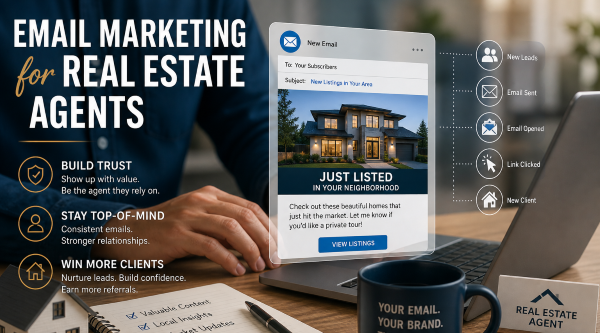
📝 Email Marketing for Real Estate Agents →
Send emails that spark replies and start real conversations
🏷️ Real Estate Agent Directory →
Get discovered by buyers, sellers, and referral partners searching for agents
🏷️Real Estate Marketing Talk Blog →
Get fresh ideas that help agents grow, connect, and win more business
📬Real Estate Website Content →
Simple System. Uncommon Results.
🚪 Your Gateway to Targeted Insights

👔 For Agents →
Branding tips, lead gen strategies & marketing tools to grow your business
🏡 For Buyers → Smart buying guides, market insights & negotiation tips for your next move
📦 For Sellers → Listing prep, pricing strategies & proven tactics to sell fast and profitably
💰 For Investors → ROI-focused content, property analysis tools & market trend breakdowns