Curb Appeal When Selling Your Home: Why First Impressions Protect Your Price
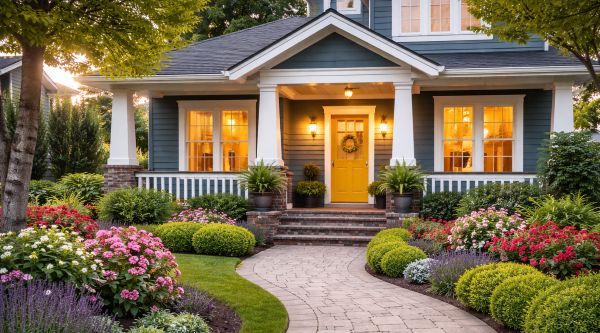
Why Curb Appeal Matters When Selling
Buyers decide how they feel about your home before they step inside. When you’re preparing to sell, curb appeal isn’t cosmetic — it directly influences perceived value and offer strength.
The appearance of your home appeals to people driving through your neighborhood and those who see your home in a real estate for-sale photo.
If your home has been sitting without offers, weak exterior presentation may be part of the issue. Learn about other factors that can delay a sale in our guide on why your house won’t sell.
Curb appeal doesn’t just make your home look better — it influences how buyers perceive value. A well-maintained exterior signals care, stability, and pride of ownership. That perception can translate into stronger offers and fewer objections during negotiation.
Putting in a little extra effort can improve your home's curb appeal and increase your chances of an earlier sale and potentially higher price.
If you live in the home you are trying to sell, you are likely infinitely familiar with its appearance. Therefore, chances are, you don't notice small cracks or peeling paint the same way someone seeing your home for the first time would.
Evaluate Your Home From the Street
Starting from a position on the street, take a close look at your home.
- What stands out?
- What looks wrong?
- Does the tree in front need pruning?
- Perhaps a shutter needs to be repainted?
- Maybe the porch light fixture is broken.
These are generally small tasks that don't take a lot of time or money to repair but that make – or detract—from the look of your home. It may help to photograph your home from the street to see if that gives you a new perspective.
Practical Exterior Improvements That Make a Difference
Here are some areas to consider when sprucing up your home for increased curb appeal and sale:
Visibility & Identification
One. You will have more potential buyers if people can find your house. Your house number should be displayed in a prominent location and illuminated so that it is easy to read. Visibility of your house number is critical in the evening and winter when daylight is limited. If your house sits back a fair distance from the street, consider installing your number on a gate, pillar, or fence post that is easy to see.
Cleanliness & Maintenance
Two. The adage that cleanliness is next to godliness applies to your house, particularly when you want to sell. The exterior, including eaves troughs and siding, should be neat, clean, and in good repair. Downspouts should have proper extensions to move water away from the foundation and prevent pooling. Correct any settling of backfill around the home to ensure that grading slopes away from the foundation. These details may seem minor, but buyers notice signs of water management and structural care. A clean, well-maintained exterior quietly communicates that the home has been responsibly maintained over time.
Three. A lush, well-kept lawn enhances your home’s overall presentation and frames the property attractively. It should be freshly cut, weeded, and edged. Flower beds should be cultivated, hedges trimmed, and garden debris removed. If your lawn requires significant improvement, allow enough time for restoration or consider professional assistance. Areas needing new grass should be sodded rather than reseeded to ensure a finished, move-in-ready appearance. Buyers are drawn to homes that feel complete — not like weekend projects waiting to happen.
Landscaping & Seasonal Preparation
Four. When selling your home during the fall or winter, your yard may require additional preparation to maintain its appeal. Rake away all dead material from gardens and remove fallen leaves from the lawn promptly. Store shovels, hoses, and seasonal equipment neatly in a shed or out-of-sight location. In colder climates, ensure snow is cleared quickly after storms so the property never appears neglected. Even in dormant seasons, buyers should see order and care — not maintenance deferred until spring.
Five. Doors should be unmarred, clean, and freshly painted if necessary. The doorbell and door hardware should be in proper working condition and free of rust or discoloration. A sticky lock, chipped paint, or worn threshold creates hesitation before a buyer even enters the home. The front door is a focal point — it should feel solid, welcoming, and intentional. Consider a neutral yet confident color choice that complements the exterior and suggests quality.
Six. When a Realtor opens the door, buyers have time to observe the porch and entry closely. This area should be clean, uncluttered, and inviting. Remove accumulated flyers and replace worn doormats with ones in good condition. Decorative elements such as a simple wreath or seasonal planter are appropriate, but restraint is key. An entry that feels tidy and thoughtfully arranged signals that the home has been consistently maintained — and that care likely extends beyond what is immediately visible.
Garage, Driveway & Walkways
Seven. Your garage should be a storage area for automobiles, not miscellaneous articles. It should be clean and tidy to make the best impression, with garden tools hanging neatly on one side or in a storage cabinet. If they can't be stored elsewhere, bicycles, the snow blower, and the lawn mower should be placed so as not to impede movement around the cars. Garbage containers should be empty and clean. Illumination should be bright, ideally with a 150-watt bulb, at least during the listing period. A well-organized garage signals that the home has been properly maintained.
Eight. The driveway should be degreased and sealed. Oil stains, cracks, and surface discoloration subtly suggest neglect, even if the rest of the property is well cared for. Power washing can dramatically improve appearance, and sealing asphalt gives the driveway a fresh, finished look. Repair minor cracks before listing to prevent buyers from mentally adding repair costs. Clean edges along grass lines also create a sharper, more intentional presentation.
Nine. Walkways and patios should be clean, level, and free of cracks. If your walkway or patio has grass or weeds growing between joints, eliminate them promptly using boiling water or other environmentally friendly methods. Uneven stones or loose pavers should be reset to avoid safety concerns. During winter months, the driveway, sidewalks, and porch stoop should be cleared of snow and salted if necessary. Inside the front door, provide an overshoe tray and a carpeted area where visitors can comfortably remove footwear. A safe, well-maintained entry reinforces the sense that the home has been cared for throughout.
Improving curb appeal when selling your home is just one part of a larger strategy. Make sure you are fully preparing your home for sale inside and out before listing.Summarily, your home is an investment, and by taking a little time to put it in top form, you will get a higher return on that investment when you decide to sell.
Small Improvements That Support a Stronger Sale
When a home looks polished from the outside, buyers are less likely to question the asking price. First impressions create confidence — and confidence reduces negotiation pressure.
For additional guidance on pricing, marketing, and positioning your property competitively, explore our complete collection of real estate articles for sellers.
Plan Your Next Move
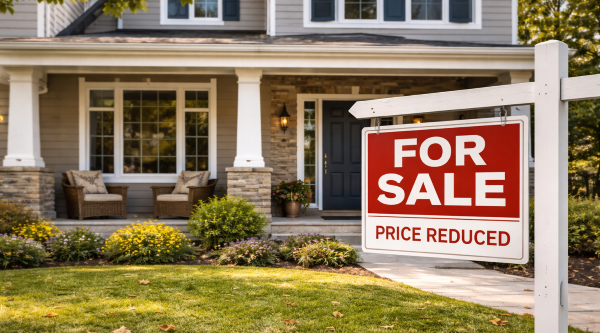

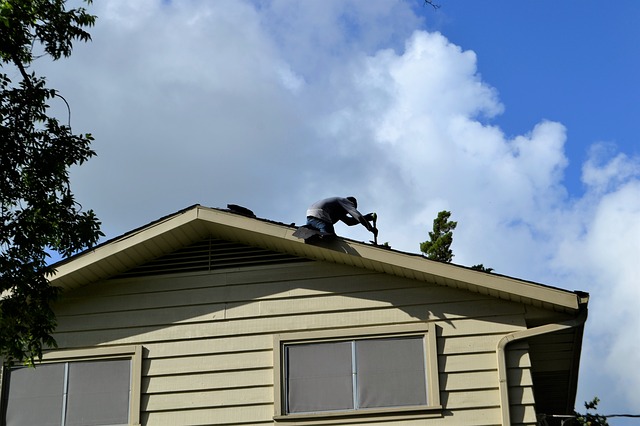
Polish your curb appeal.
Protect your price.
Strong first impressions create confidence — and confident buyers push back less.
Home Page > Real Estate Articles for Sellers >> Curb Appeal
🔥Top Pages in July 2026

💌 Real Estate Marketing Talk Home Page→
Timely Strategies and Resources for Agents | Buyers, Sellers and Investors!
📝 Expired Listing Postcards →
Ideas That Flip the Script on Agent Visibility
🏷️How to Get Expired Real Estate Leads Without Cold Calling →
Create a system where expired listing owners call you first
📬Farming Expired Listings →
Simple System. Uncommon Results.
🏷️ Real Estate Agent Directory →
Magnetic Taglines That Pull Clients Toward You Instantly
🚪 Your Gateway to Targeted Insights

👔 For Agents →
Branding tips, lead gen strategies & marketing tools to grow your business
🏡 For Buyers → Smart buying guides, market insights & negotiation tips for your next move
📦 For Sellers → Listing prep, pricing strategies & proven tactics to sell fast and profitably
💰 For Investors → ROI-focused content, property analysis tools & market trend breakdowns