Blogging for Real Estate Leads
 A step-by-step system to attract listings and buyers while building an online brand
Blogging for real estate leads is one of the few marketing strategies that can work for you 24/7 — even while you’re showing homes, meeting clients, or sleeping. And because blogging is just one part of a broader lead‑generation ecosystem, many agents pair it with the foundational strategies outlined in our Real Estate Leads guide to build a stronger, more predictable pipeline.
But here’s the truth: blogging only produces leads when it’s built like a system, not a hobby. Many agents also connect their blog content with other proven real estate marketing ideas so their articles support broader visibility, branding, and lead generation strategies.
This page shows you how to turn that strategy into action. You’ll learn a practical, repeatable framework for publishing the right content, capturing visitors, and converting readers into real prospects — all while strengthening your brand, authority, and long‑term visibility in your market.
Phase 1 — Setup Your Blog for Lead Generation (Not Just “Posting”)
Blogging can absolutely be fun—but the most profitable real estate blogs have three things in place from day one:
- A clear niche angle (your city, a buyer type, investors, downsizers, etc.)
- A consistent publishing rhythm you can actually sustain
- A lead capture “next step” connected to every post
Best Platforms for Blogging for Real Estate Leads
Recommended (Most Agents): WordPress
Great Alternatives: Squarespace (simple), Wix (fast setup)
A platform of choice for many marketers is WordPress because it’s flexible, SEO-friendly, and expandable as your website grows. However, you can still build a high-performing blog on Squarespace or Wix if you focus on the fundamentals: helpful content + search visibility + lead capture.
You can hardly go wrong with a modern platform as long as it supports:
- basic SEO settings (titles, descriptions, headings)
- fast mobile performance
- analytics or tracking integration
- easy editing so you keep publishing
Why Marketers Blog for Real Estate Leads
Let’s not mince words: marketers and agents blog for leads to make money—and it works when the blog is connected to a conversion path.
- generate listings and buyer leads
- sell products and services
- grow an email list for follow-up
- earn affiliate income and ad revenue (optional)
The real power of blogging isn’t just traffic — it’s conversion. When paired with structured real estate website lead generation strategies , your blog becomes a steady source of inbound opportunities instead of just another content outlet.
Phase 2 — Build Visibility and Authority (So Google Can Find You)
Five Major Benefits of Blogging for Real Estate Leads
Blogging supports long-term success by:
1. Increasing your indexable footprint — every strong post becomes another page Google can rank, which increases discovery over time.
2. Earning authority signals — useful posts attract links, shares, and repeat visitors, which strengthens your site’s credibility.
3. Establishing trust faster — when people find helpful answers on your site, you become the “safe choice” before they ever contact you.
4. Creating repeat opportunities — one visitor can become many touchpoints when you connect posts to an email list, checklist, or follow-up series within a broader real estate leads generation strategy.5. Strengthening your brand — consistent content builds recognition and reinforces your voice, expertise, and positioning.
To increase that visibility even further, make sure your blog is supported by strong real estate SEO so your best posts can actually be discovered by buyers and sellers searching for answers.
And if you want affordable ways to increase lead flow alongside blogging, here are some affordable lead-generation ideas .
Phase 3 — Turn Blog Traffic into Real Leads (The Part Most People Skip)
Blogging without a lead capture system is just writing.
Pair every post with one clear “next step”:
- a checklist or guide (lead magnet)
- a short opt-in form
- a “next post” internal link
- a service page or contact path that matches the topic
How Blogging Builds Your List (and Your Deal Pipeline)
Blogging drives targeted traffic to your site 365/24/7, creating opportunities to capture visitors’ contact information through short forms, lead magnets, and gated resources. When structured correctly, this process builds real estate website leads that convert long after the first visit.
One high-performing post can generate leads for months—sometimes years—when you:
- answer a specific question (problem-based content)
- match the post to a clear call-to-action
- internally link readers to the next relevant page
Phase 4 — Build a Content Engine You Can Sustain
Content Is the Key Element of Blogging Success
|
|
|

|
Many bloggers falsely believe they must create 100% of their content themselves, but that’s not required to win. Plenty of content exists—written by subject-matter experts—that you can incorporate legally and ethically by curating, adding your perspective, updating examples, and matching it to your market.
Done-for-You Content: Should You Use It?
The decision comes down to two questions:
- Are you a prolific writer?
- Can you commit to a writing schedule that’s sufficient to generate consistent leads?
If your honest answer to either question is “no,” then prewritten content is worth considering—because consistency beats intensity.
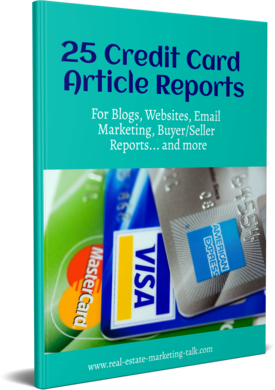
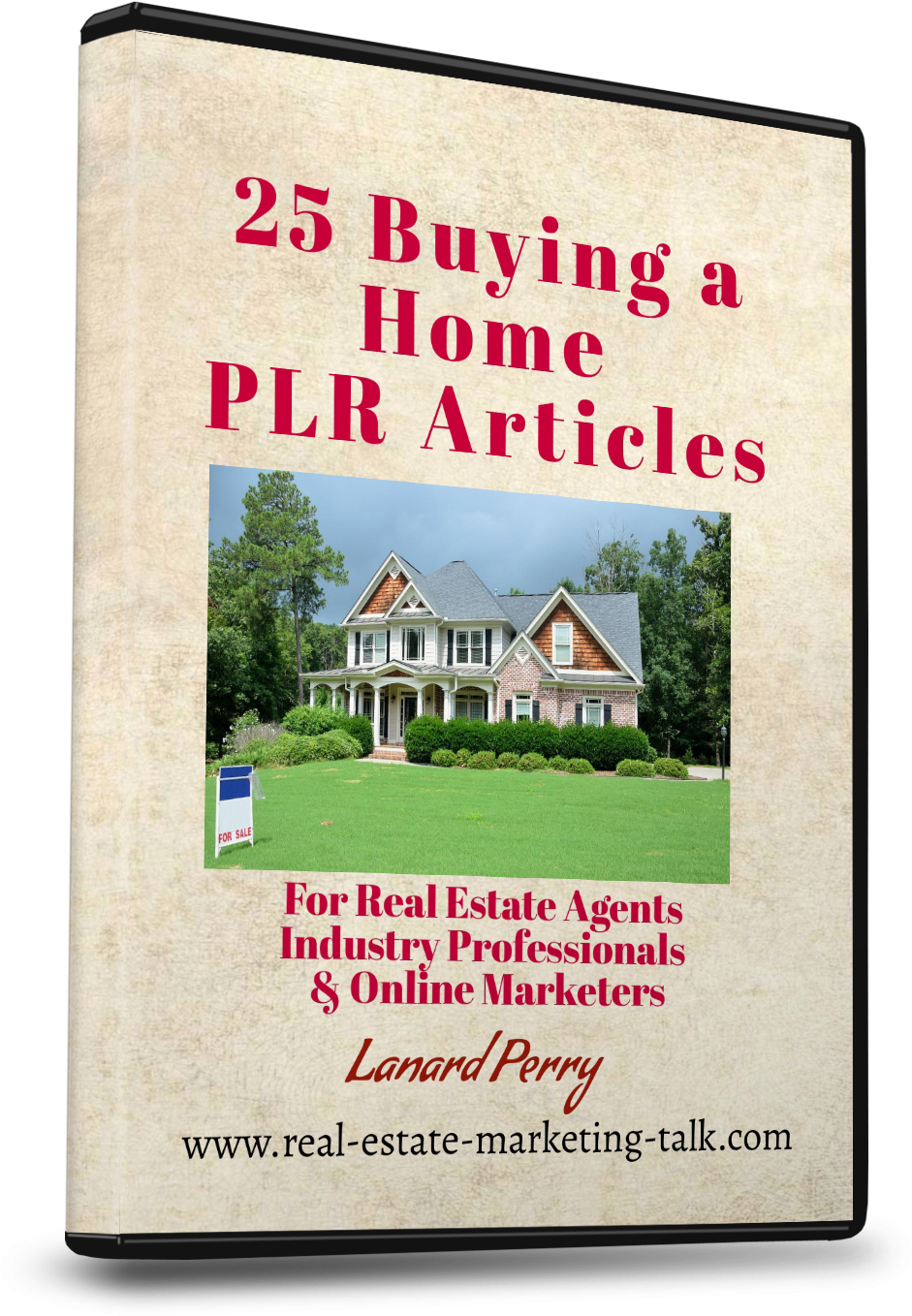
Take a look at three of our prewritten articles that can be used as website pages, blog posts, newsletters, and more:
- Article #1
- Article #2
- Article #3
Advantages of Using Prewritten Content
Instant momentum — you can publish sooner, keep a steady schedule, and avoid “content gaps.”
Time leverage — instead of spending hours writing, you can spend time on showing homes, outreach, videos, and follow-up.
Disadvantages of Using Prewritten Content
Cost — depending on volume, it can add up.
Quality control — some content needs cleanup, personalization, or modernization to match your voice and standards.
Where to Find Good Done-for-You Content
Outsourcing can be an excellent option for acquiring fresh content to engage your audience and grow your blog. Sites like Fiverr, Freelancer, Guru, PeoplePerHour, and Toptal can all work depending on budget and expectations.
Alternatively, you can use prewritten content already built for you. One specific product we offer is a 275 Mega Pack of articles—each long enough to be divided into multiple posts. That’s enough content to blog for a long time at a low cost per article. You can see more about it here.
The 30-Day Blogging for Real Estate Leads Plan (Simple, Practical, Repeatable)
Goal: publish consistently, connect posts to lead capture, and start building authority without overwhelm.
Week 1 — Publish Problem-Based Posts (3 posts)
- Answer real questions buyers/sellers ask (not brochure content).
- End each post with one clear next step (checklist, guide, consultation).
- Internally link to a related page on your site.
Week 2 — Add Lead Capture (1 lead magnet + 1 opt-in)
- Create a simple checklist or guide (PDF or page).
- Add a short form (name + email) in a visible callout block.
- Route opt-ins into a basic follow-up sequence.
Week 3 — Publish Local Trust Builders (2 posts)
- Neighborhood spotlight or “moving to” guide.
- Market snapshot: what changed this month and what it means.
- Link each post to a relevant service/CTA page.
Week 4 — Strengthen Internal Links + Update CTAs
- Link older posts to newer posts (“next best read”).
- Add 1 contextual CTA block mid-page on your best post.
- Review titles and meta descriptions for clarity and intent.
If you want the blog to feed a dependable pipeline, pair your content with real estate website leads and a simple follow-up process.
Seven Reasons Blogging Might Be Right for You (Revenue + Scale Benefits)
When done consistently, blogging can produce compounding benefits that are hard to replicate with paid ads alone:
- 1) Your best posts can generate leads long after you publish them.
- 2) You build trust before the first call, which improves conversion.
- 3) You can create a lead opportunity with each post by pairing it with a guide or checklist.
- 4) You expand community visibility and stay “top of mind.”
- 5) You drive prospects into your lead capture system 24/7.
- 6) You grow your list for repeated follow-up (with permission).
- 7) You build a library of answers that positions you as the local expert.
FAQ: Blogging for Real Estate Leads
How often should a real estate agent blog?
Start with one strong post per week and stay consistent. If you can do two per week without burning out, even better. Consistency beats volume.
What should I blog about to get real estate leads?
Write “problem-based” posts that answer real questions: pricing, timing, neighborhoods, buying steps, selling mistakes, inspections, financing, and local market updates. Each post should lead to one next step (opt-in, checklist, consult).
How long does it take for blogging to generate real estate leads?
Some posts can produce leads quickly, but the strongest results are usually compounding. If you publish weekly and optimize internal links and CTAs, many sites feel momentum within a few months—sometimes sooner depending on competition and topic choice.
Should I use prewritten content?
Prewritten content can be a smart accelerator if you personalize it, update examples, and align it with your local market. Avoid publishing generic, unchanged content—your voice and relevance are what convert.
What’s the biggest mistake people make with real estate blogging?
They publish content with no conversion path. Traffic without lead capture is wasted opportunity. Always connect posts to your site’s lead generation system.
Recap: Turn Blogging into a Lead System
Blogging for real estate leads happens by design—not by accident.
Publish consistently. Capture leads intentionally. Strengthen internal links monthly. Scale what works.
If you want your blog to generate leads instead of just collecting posts, connect it to your broader lead engine:
- Build your capture system with real estate website lead generation strategies .
- Strengthen your content pipeline with Real Estate Website Content .
- Add buyer-focused resources using Content for Buyers .
- Expand your library with Content for Sellers .
Build Your Authority Stack



Blogging for real estate leads is not a hobby.
It’s a system.
Publish with purpose.
Capture intentionally.
Follow up consistently.
Refine monthly.
Scale what works.
Repeat.
Home Page > Real Estate Leads > Blogging For Real Estate Leads
🔥Top Pages in August 2026

💌 Expired Listing Letters →
Send the message that gets sellers calling you back
📝 Email Marketing for Real Estate Agents →
Send emails that spark replies and start real conversations
🏷️ Real Estate Agent Directory →
Get discovered by buyers, sellers, and referral partners searching for agents
🏷️Real Estate Marketing Talk Blog →
Get fresh ideas that help agents grow, connect, and win more business
📬Real Estate Website Content →
Simple System. Uncommon Results.
🚪 Your Gateway to Targeted Insights

👔 For Agents →
Branding tips, lead gen strategies & marketing tools to grow your business
🏡 For Buyers → Smart buying guides, market insights & negotiation tips for your next move
📦 For Sellers → Listing prep, pricing strategies & proven tactics to sell fast and profitably
💰 For Investors → ROI-focused content, property analysis tools & market trend breakdowns