FSBO (For Sale by Owner): How to Sell Your Home Without an Agent

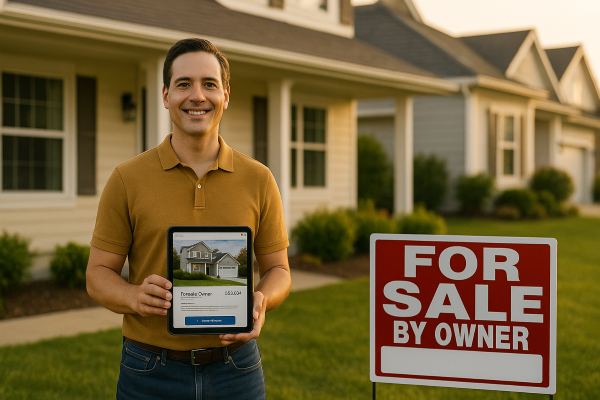
FSBO (For Sale by Owner) gives you the opportunity to sell your home without hiring a listing agent, manage the process yourself, and potentially save thousands in commission expenses.
It's an appealing idea. You know your home, you understand what makes it special, and you'd naturally prefer to keep as much of your equity as possible.
But selling independently means taking responsibility for decisions an agent would ordinarily help you make.
The good news? You don't need to know everything about real estate to get started. You need a realistic plan, reliable information, and a clear understanding of what happens between putting your home on the market and handing over the keys.
Let's walk through it.
1. What Does FSBO Really Mean for Home Sellers?
Selling FSBO means you're in charge.
You establish the asking price, prepare the property, advertise it, coordinate showings, review offers, and work through the closing process.
That independence can be rewarding. It also requires time, organization, and attention to details that are easy to overlook.
You're Selling Independently, Not Necessarily Alone
Choosing FSBO doesn't mean refusing professional assistance.
You can hire a photographer, appraiser, real estate attorney, or other qualified professional for specific tasks without committing to a traditional full-service listing arrangement.
Think of it as managing the sale yourself while bringing in expertise where it matters.
2. Weigh the Pros and Cons Before You Commit
The biggest attraction of FSBO is usually financial.
If your home sells for $400,000 and you avoid a hypothetical 3% listing-side commission, that's $12,000 in potential savings before accounting for other selling expenses.
But commission savings are only part of the equation.
What You Gain
- Control over pricing and marketing decisions
- Direct communication with prospective buyers
- Flexibility when scheduling showings
- The opportunity to reduce listing-related expenses
What You Take On
- Researching a competitive asking price
- Creating and managing buyer exposure
- Screening inquiries and coordinating appointments
- Negotiating offers and handling paperwork
- Managing deadlines, disclosures, and closing details
The question isn't simply whether you can save a commission.
It's whether you can achieve a strong enough sale price, manage the transaction successfully, and protect your net proceeds.
3. Price Your FSBO Home for the Market You're In
Your asking price sets the tone for everything that follows.
Price too high, and qualified buyers may never schedule a showing. Price too low, and you could sacrifice money unnecessarily.
The goal is to establish a defensible price based on current market evidence.
Start With Comparable Sales
Study recently sold homes that resemble yours in location, size, age, condition, and features.
Active listings show your competition. Closed sales show what buyers have actually been willing to pay.
Pay attention to differences. A renovated kitchen, larger lot, or newer roof may influence value, but not necessarily by the amount you spent.
If the numbers remain unclear, consider paying for an independent appraisal.
Remember: Buyers don't price homes according to how much sellers need from the transaction. They compare available choices and perceived value.
4. Prepare Your Home Before Buyers See It
You don't need a magazine-perfect home.
You need one that looks clean, cared for, and easy to imagine living in.
Walk through every room as though you're seeing it for the first time.
Focus on Improvements Buyers Notice
- Remove clutter and unnecessary furniture.
- Complete obvious minor repairs.
- Clean kitchens, bathrooms, windows, and floors.
- Improve lighting and refresh landscaping.
- Organize closets, storage areas, and the garage.
- Address distracting odors rather than masking them.
Small improvements can make a meaningful difference in how buyers perceive your property.
Professional photography is also worth considering. Your online pictures may determine whether someone visits your home at all.
5. Market Your FSBO Home Where Buyers Are Looking
Here's where selling independently becomes a genuine marketing project.
Putting a sign in the yard is a start. It isn't a complete strategy.
Your property needs exposure, accurate information, and a presentation that gives buyers a reason to investigate further.
Build a Simple Marketing Plan
- Write a clear, factual property description.
- Publish bright, accurate photographs.
- Advertise through appropriate FSBO websites.
- Consider available flat-fee MLS services and their terms.
- Use neighborhood networks and relevant social channels.
- Keep listing details consistent across platforms.
Compare FSBO websites carefully. Some provide basic listings, while others offer additional marketing services, MLS access through licensed providers, or paid upgrades.
Before purchasing a package, understand exactly what you're receiving.
And don't overlook your description. Buyers want useful details about layout, condition, improvements, and location—not a string of exaggerated adjectives.
6. Handle Buyer Inquiries and Showings Professionally
Once your advertising starts working, you'll need a system for responding to inquiries.
Keep a record of appointments, questions, feedback, and follow-up conversations.
Respond promptly, but don't let urgency override basic safety.
Protect Your Time and Your Property
Use reasonable identity-verification and appointment procedures, secure valuables and sensitive documents, and avoid sharing unnecessary personal information.
Consider having another adult present during showings.
Ask prospective buyers whether they're financing the purchase and whether they have appropriate preapproval or proof of funds. Apply your screening practices consistently and comply with fair housing requirements.
During the showing, answer questions honestly and allow buyers enough space to evaluate the home.
You're helping them make a decision, not trying to win an argument.
7. Negotiate the Entire Offer, Not Just the Price
Receiving an offer is exciting.
It's also the moment to slow down and examine the details.
A higher offer isn't automatically the better offer.
Look Beyond the Purchase Price
Review the proposed financing, earnest money, inspection terms, appraisal contingency, closing date, requested repairs, and seller concessions.
Also determine whether the buyer has an agent and whether any compensation has been requested or agreed upon.
These details affect your risk, timeline, and eventual proceeds.
Keep negotiations professional. If a buyer requests repairs or a price reduction, evaluate the request against the property's condition and your alternatives.
You can accept, reject, or counter an offer. Just make sure agreements are documented correctly.
8. Get the Paperwork and Closing Process Right
Finding a buyer doesn't finish the sale.
You still need to move the transaction from an accepted offer to a completed closing.
Depending on your state and the transaction, that may involve disclosures, title work, inspections, financing, appraisal, escrow arrangements, and required documents.
Build Your Closing Team Early
Before accepting an offer, identify a qualified real estate attorney, title company, or closing professional familiar with local requirements.
Ask which documents you'll need, who holds earnest money, and how deadlines will be tracked.
State laws differ, particularly regarding disclosures and closing procedures. Don't assume a generic online contract covers everything.
Professional guidance at this stage can help prevent expensive mistakes.
9. Avoid the FSBO Mistakes That Cost Sellers Money
Most FSBO problems don't begin with one dramatic mistake.
They develop when small issues go uncorrected.
Watch for These Warning Signs
- Overpricing: Plenty of views but few serious inquiries.
- Weak presentation: Buyers lose interest before scheduling a visit.
- Limited exposure: Too few qualified buyers see the property.
- Slow communication: Interested buyers move on.
- Incomplete documentation: Agreements or deadlines become disputed.
- Emotional negotiating: Personal reactions interfere with practical decisions.
Review your results regularly.
If buyers aren't responding, examine the price, presentation, and marketing before assuming the market simply isn't cooperating.
10. Final Thoughts: Sell Independently, but Sell Intentionally
Selling your home FSBO can be a practical choice when you have the time, confidence, and resources to manage the process.
It isn't the right approach for everyone, and that's perfectly fine.
You can begin independently, hire professionals for selected services, or reconsider full-service representation if your circumstances change.
The important thing is making decisions based on results rather than pride.
Price carefully. Prepare thoughtfully. Market consistently. Negotiate with a clear understanding of your bottom line.
Your goal isn't simply to sell without an agent. It's to complete a successful sale on terms that work for you.
FSBO (For Sale by Owner) — Frequently Asked Questions
Can I really sell my home without a real estate agent?
Yes. Homeowners can sell independently, although the legal requirements vary by state. You'll be responsible for pricing, marketing, negotiations, disclosures, and coordinating the transaction. A qualified real estate attorney or closing professional can help with important legal and procedural details.
How much money can I save by selling FSBO?
You may avoid paying a traditional listing-agent commission, but your actual savings depend on the sale price and other expenses. Photography, advertising, legal assistance, buyer-agent compensation if agreed upon, concessions, and closing costs can all affect your final proceeds.
Where should I advertise my FSBO home?
Start with reputable property-listing platforms, neighborhood networks, and appropriate social media channels. Compare the features and costs of different services in our FSBO Websites guide before choosing where to advertise.
How do I determine the right asking price?
Review recent comparable sales, account for differences in property condition and features, and consider an independent appraisal when necessary. A realistic asking price helps your home compete with other properties buyers are considering.
Should I hire an attorney when selling FSBO?
It's wise to consult a qualified local real estate attorney, especially when preparing or reviewing contracts and disclosures. Some states require attorney involvement in certain transactions. Professional guidance can help you understand your obligations and avoid preventable problems.
What if my home isn't attracting buyers?
Review your pricing, photography, property condition, and advertising reach. If the presentation needs work, start with our guide to preparing your home to sell for the highest price. Then reassess whether your asking price matches current buyer expectations.
Can I hire an agent after trying FSBO?
Absolutely. Selling independently doesn't prevent you from seeking professional representation later. If your circumstances change or your marketing isn't producing results, you can interview agents and compare their services, fees, and proposed selling strategies.
Strategic Pages To Read Next
Once you've decided to sell independently, these guides can help you make better decisions about preparation, presentation, and your next move.
- Compare FSBO websites and choose the listing services that fit your selling plan
- Prepare your home to impress buyers and compete for stronger offers
- Explore practical home-selling tips that help you avoid costly mistakes
More Resources for a Smarter Home Sale
Selling FSBO is one part of a bigger picture. Explore these additional resources to understand your options, strengthen your home's appeal, and make informed decisions throughout the selling process.


Home Page > Real Estate Articles >> Real Estate Articles for Sellers >> FSBO
🔥Top Pages in September 2026

💌 Expired Listing Letters →
Send the message that gets sellers calling you back
🏷️ Real Estate Agent Directory →
Get discovered by buyers, sellers, and referral partners searching for agents
📝 Email Marketing for Real Estate Agents →
Send emails that spark replies and start real conversations
🏷️Real Estate Marketing Talk Blog →
Get fresh ideas that help agents grow, connect, and win more business
📬Real Estate Website Content →
Simple System. Uncommon Results.
🚪 Your Gateway to Targeted Insights

👔 For Agents →
Branding tips, lead gen strategies & marketing tools to grow your business
🏡 For Buyers → Smart buying guides, market insights & negotiation tips for your next move
📦 For Sellers → Listing prep, pricing strategies & proven tactics to sell fast and profitably
💰 For Investors → ROI-focused content, property analysis tools & market trend breakdowns