FSBO Websites: Where to List Your Home and Reach More Buyers
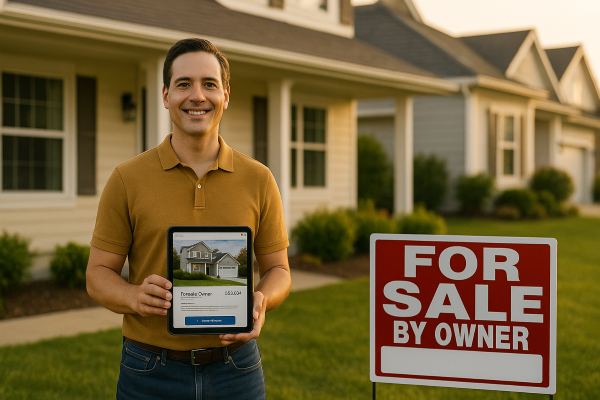
FSBO websites give homeowners a way to advertise their properties, connect with potential buyers, and take greater control of the selling process without hiring a traditional listing agent.
That's the appeal.
You prepare your home, create a listing, upload some photographs, and introduce your property to buyers searching online.
Sounds straightforward.
But here's something worth understanding before you start: not every FSBO website delivers the same exposure, services, or opportunities.
Some provide basic advertising. Others offer premium listings, marketing assistance, or access to the Multiple Listing Service (MLS) through licensed real estate professionals.
And a website that attracts thousands of visitors isn't necessarily the one that will attract the right buyer for your home.
The goal isn't simply to get your property online.
It's to choose the right advertising options, present your home effectively, and make it easy for qualified buyers to find you.
Let's look at how to do that without spending money unnecessarily.
1. How FSBO Websites Help You Sell Your Home
Think of an FSBO website as an advertising platform.
It gives your home a place where prospective buyers can discover it, review property information, examine photographs, and potentially contact you.
That's valuable, particularly when you're handling the marketing yourself.
But advertising and selling are two different things.
A website can introduce buyers to your property. It cannot guarantee that those buyers will schedule showings, qualify for financing, or make acceptable offers.
What a Useful FSBO Listing Should Provide
- A clear property description
- Space for quality photographs
- Accurate pricing and property details
- Convenient buyer contact options
- Mobile-friendly property displays
- Simple listing updates
- Clear information about advertising costs
Additional features may include virtual tours, showing requests, visitor statistics, and marketing upgrades.
Useful? Certainly.
Necessary? That depends on your property, market, and selling strategy.
2. Understand Your FSBO Website Options
Before comparing individual websites, understand the different types of services available.
They don't all do the same job.
Dedicated FSBO Listing Websites
These platforms focus on homeowners selling independently.
Depending on the service, you may be able to create a property listing, upload photographs, display contact information, and purchase additional advertising.
Some also offer educational resources or access to third-party real estate services.
Major Real Estate Search Portals
Large property-search websites may allow qualifying homeowners to advertise FSBO properties directly.
These platforms can introduce your home to buyers already browsing local listings.
However, availability, listing placement, verification requirements, and contact features vary.
Check the current rules before assuming your property can be advertised in a particular way.
Local Classifieds and Community Platforms
Neighborhood groups, community marketplaces, and local advertising websites can supplement your primary listing.
They're particularly useful for reaching people who already know the area.
Just remember that broad visibility doesn't always translate into qualified interest.
3. Free vs. Paid FSBO Websites: What's Worth the Money?
Free advertising is an attractive place to start.
And why not?
If you can reach potential buyers without paying for a listing, that's worth considering.
But free and paid services often differ in important ways.
What Free FSBO Listings May Offer
- Basic property information
- A limited photo gallery
- Seller contact options
- Standard listing placement
- Basic editing capabilities
Some platforms offer more. Others impose restrictions or don't accept direct FSBO listings at all.
What Paid Packages May Add
- Additional photographs or virtual tours
- Featured listing placement
- Expanded advertising distribution
- Marketing materials or signage
- Listing assistance
- Access to additional professional services
Here's the important question:
Will the upgrade help more qualified buyers discover your property, or will it simply make your listing look more impressive?
Those aren't necessarily the same thing.
Before paying, ask what additional exposure you'll receive, where your listing will appear, how long the service lasts, and whether renewal fees apply.
A modest advertising expense can be worthwhile. An expensive package with unclear benefits deserves a closer look.
4. Should You Consider a Flat-Fee MLS Listing?
One of the biggest decisions FSBO sellers face is whether to pursue MLS exposure.
The Multiple Listing Service is a property database used by participating real estate professionals.
Listings entered into an MLS may also appear on consumer real estate websites through approved distribution arrangements.
That can expand your property's visibility beyond a standalone FSBO advertisement.
How Flat-Fee MLS Services Work
With a flat-fee MLS arrangement, a licensed real estate broker generally places your property in an MLS for an agreed fee while you retain responsibility for some or many aspects of the sale.
But service packages differ considerably.
Some provide limited listing services. Others offer optional assistance with contracts, negotiations, or transaction coordination.
Before purchasing, ask:
- Which MLS will display my property?
- How long will the listing remain active?
- Can I update the price and photographs?
- Who handles buyer inquiries and showing requests?
- Are there cancellation or additional service fees?
- What responsibilities will the broker retain?
- What compensation arrangements, if any, are included or separately negotiated?
Don't assume a flat-fee MLS listing automatically includes full brokerage representation.
Review the agreement carefully and understand what you'll still be responsible for.
5. How to Choose the Best FSBO Websites for Your Home
There's no universal winner.
The best FSBO website for a suburban starter home may not be the best choice for rural acreage, a luxury property, or a condominium.
Start with your likely buyer.
Where would that person search? What information would matter most? How easily could they find your property?
Use This Simple Evaluation Checklist
- Local exposure: Does the platform display similar homes in your area?
- Listing quality: Can you present your property professionally?
- Buyer communication: Can interested buyers reach you easily?
- Pricing: Are fees and upgrades clearly explained?
- Flexibility: Can you edit or remove your listing?
- Support: Is assistance available when something goes wrong?
- Distribution: Where will your listing actually appear?
Don't confuse national popularity with local effectiveness.
A smaller service that reaches active buyers in your market may be more useful than a larger platform where your listing receives little attention.
Choose based on function, not promises.
6. Create an FSBO Listing That Makes Buyers Want to Visit
You've selected your advertising platforms.
Now comes the part that deserves your full attention.
Your listing must persuade buyers that your property is worth seeing.
And you have only a brief opportunity to make that impression.
Start With Strong Photographs
Use bright, sharp images that accurately represent the property.
Photograph the exterior, main living areas, kitchen, bathrooms, bedrooms, and distinctive features.
Remove clutter before taking pictures.
A professional photographer may be worth the expense, particularly when your home competes with professionally marketed listings.
Write for Buyers, Not for Yourself
Describe what makes the property useful, comfortable, or distinctive.
Include relevant details such as:
- Bedrooms and bathrooms
- Approximate living area
- Lot size and outdoor features
- Notable updates and improvements
- Parking and storage
- Important property amenities
Keep descriptions factual and accurate. Avoid misleading claims and language that could violate fair housing requirements.
Buyers don't need a sales pitch filled with exclamation points.
They need enough reliable information to decide whether your home belongs on their shortlist.
7. Don't Depend on FSBO Websites Alone
Here's a mistake that's easy to make.
You publish your listing, admire the photographs, and wait for the inquiries to arrive.
Sometimes they do.
Sometimes they don't.
Online advertising works better when it's supported by additional marketing.
Build Visibility Around Your Listing
Consider combining your FSBO website advertising with:
- A professional yard sign where permitted
- Neighborhood announcements
- Appropriate social media posts
- Local community advertising
- Open houses when practical
- Word-of-mouth referrals
- Property information sheets
Make sure every advertisement provides accurate information and a clear way to contact you.
Use consistent photographs, pricing, and property details across your marketing channels.
And remember that more advertising isn't always better.
A few well-managed channels can outperform a dozen neglected listings.
8. Avoid These Common FSBO Website Mistakes
Even a good advertising platform can't overcome a poorly managed listing.
Watch for these problems.
Overpricing the Property
A beautiful listing won't persuade buyers to ignore unrealistic pricing.
Study comparable sales and monitor competing properties.
Using Weak Photographs
Dark rooms, cluttered countertops, and awkward angles can discourage buyers before they read a word.
Letting Information Become Outdated
Incorrect prices, unavailable showing times, and stale property details create confusion.
Ignoring Buyer Inquiries
Interested buyers may be comparing several properties. Respond promptly and professionally.
Paying for Features You Don't Need
Not every upgrade improves buyer exposure. Understand the benefits before purchasing.
Overlooking Personal Safety
Be cautious when communicating with strangers. Verify appointments, protect personal information, secure valuables, and use reasonable showing procedures.
Your online listing should attract interest without creating unnecessary financial or personal risk.
9. Build a Simple FSBO Website Marketing Plan
You don't need an elaborate advertising campaign.
You need a plan you can manage consistently.
Week One: Prepare and Publish
Finalize your asking price, photographs, property description, and advertising platforms.
Publish accurate listings and confirm that buyers can contact you.
Week Two: Expand Your Reach
Share your property through appropriate neighborhood and community channels.
Consider additional exposure if your initial advertising isn't reaching enough buyers.
Week Three: Review the Response
Look at inquiries, showing requests, and feedback.
If buyers aren't responding, examine your photographs, description, asking price, and advertising reach.
Week Four: Adjust Intelligently
Update your listing where necessary.
Consider whether a different advertising service, flat-fee MLS arrangement, or additional professional assistance would improve your position.
These weekly stages are a planning example, not a guaranteed selling timeline. Adjust them to your market and circumstances.
The key is staying engaged rather than assuming the website will do everything for you.
10. Final Thoughts: Choose Exposure That Helps You Sell
FSBO websites can be valuable tools for homeowners who want to manage their own sale.
They provide advertising opportunities, buyer connections, and varying levels of marketing assistance.
But no website replaces the fundamentals of a successful home sale.
You still need realistic pricing, appealing presentation, responsive communication, and a clear understanding of the transaction process.
Start with the advertising options that make sense for your property and budget.
Measure the response.
Make adjustments when the evidence tells you something needs to change.
And don't hesitate to hire qualified professionals for tasks that require specialized knowledge.
The best FSBO website isn't necessarily the biggest, most expensive, or most heavily advertised. It's the one that helps the right buyers discover your home—and gives them a reason to take the next step.
FSBO Websites — Frequently Asked Questions
What are the best FSBO websites for selling a home?
The best choice depends on your location, property type, budget, and desired services. Compare dedicated FSBO platforms, major property-search portals, and available flat-fee MLS options. Focus on local buyer exposure, listing features, and transparent pricing rather than choosing a website based solely on popularity.
Can I advertise my home for free on FSBO websites?
Some platforms offer free FSBO advertising, although listing eligibility, available features, and placement vary. Others charge for listings or optional upgrades. Review current terms before publishing and remember that free advertising may not provide the same exposure as paid services.
Do FSBO websites automatically put my home on the MLS?
No. A standard FSBO advertisement does not automatically create an MLS listing. MLS access generally requires an arrangement with a participating licensed real estate broker. If you're considering a flat-fee MLS service, review its fees, responsibilities, and listing agreement carefully.
How much does it cost to advertise a home on FSBO websites?
Costs vary by platform and service package. Basic advertising may be free, while premium placements, additional marketing services, and flat-fee MLS arrangements may involve charges. Compare the total cost, included services, listing duration, and possible renewal fees before making a decision.
Can I sell my home without using a real estate agent?
Yes. Homeowners can generally sell independently, subject to applicable state laws and transaction requirements. Our FSBO selling guide explains how to approach pricing, preparation, marketing, negotiations, and closing without hiring a traditional listing agent.
What if my FSBO listing isn't generating inquiries?
Start by reviewing your asking price, photographs, property description, and advertising exposure. A well-prepared home is easier to market effectively. Our guide to preparing your home to sell offers practical improvements worth considering before increasing your advertising budget.
Should I advertise my home on more than one FSBO website?
Using multiple platforms can broaden exposure, provided you can keep every listing accurate and current. Start with services that reach buyers in your area, then expand if necessary. Consistent pricing, photographs, property details, and contact information help prevent confusion.
Do I still need professional help when using FSBO websites?
You may. Online advertising doesn't replace legal, title, financing, or closing services. Depending on your circumstances and state requirements, a qualified real estate attorney, title company, appraiser, photographer, or other professional may provide valuable assistance.
Strategic Pages To Read Next
Choosing where to advertise is an important step. These additional guides will help you prepare your property, manage the selling process, and make more confident decisions.
- Learn how to sell your home independently, from establishing the asking price to closing the deal
- Prepare your home to attract serious buyers and make a stronger first impression
- Explore practical selling tips that help protect your equity and avoid preventable mistakes
More Resources for Selling Your Home Successfully
FSBO websites can help buyers discover your property, but successful selling involves more than online exposure. Explore these additional resources for practical guidance on preparing your home, managing the process, and making decisions that support a stronger sale.


Home >Real Estate Articles for Sellers >> FSBO Websites
🔥Top Pages in September 2026

💌 Expired Listing Letters →
Send the message that gets sellers calling you back
🏷️ Real Estate Agent Directory →
Get discovered by buyers, sellers, and referral partners searching for agents
📝 Email Marketing for Real Estate Agents →
Send emails that spark replies and start real conversations
🏷️Real Estate Marketing Talk Blog →
Get fresh ideas that help agents grow, connect, and win more business
📬Real Estate Website Content →
Simple System. Uncommon Results.
🚪 Your Gateway to Targeted Insights

👔 For Agents →
Branding tips, lead gen strategies & marketing tools to grow your business
🏡 For Buyers → Smart buying guides, market insights & negotiation tips for your next move
📦 For Sellers → Listing prep, pricing strategies & proven tactics to sell fast and profitably
💰 For Investors → ROI-focused content, property analysis tools & market trend breakdowns