Investment Homes: What Smart Buyers Look For Before They Buy
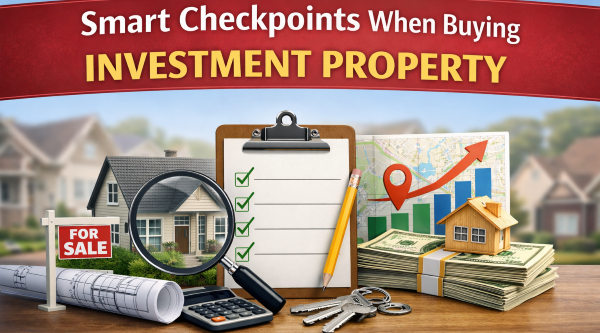
Investment Homes – What You Need to Know Before You Invest
Investing in real estate can be rewarding—but it can also become an expensive lesson if you overlook the details. Before jumping into an investment home, take time to understand what you’re getting into.
This isn’t just about buying a property. It’s about buying the right property, at the right price, with a clear plan for profit.
The process requires time, effort, and capital—whether it’s your own or someone else’s. But when done right, buying, improving, and reselling an investment property can produce strong returns and long-term opportunity.
Evaluate the Property With a Critical Eye
Look Beyond the Surface
When walking through a potential investment home, don’t just look—inspect.
Bring a notepad and document everything:
- Structural concerns
- Cosmetic issues
- Signs of neglect
- Questions that need answers
Test what you can:
- Flush toilets
- Turn on lights
- Check faucets and water pressure
- Examine floors, ceilings, and walls
Small issues can signal larger, more expensive problems.
Always Bring in a Professional Inspector
Once a property shows potential, hire a qualified home inspector.
An inspection helps you:
- Estimate repair costs
- Identify hidden issues
- Avoid unexpected expenses
This step protects your investment and gives you leverage when negotiating price.
Location Still Drives Everything
Choose the Best Area You Can Afford
Even the best renovation can’t fix a poor location.
Ask yourself:
- Is the home near schools, shopping, and transportation?
- Is there easy freeway or commuter access?
- Are homes selling quickly in this area?
Research the Local Market
Understand the demand before you buy.
Look into:
- Buyer preferences in the area
- Recent comparable sales
- Neighborhood trends
You can also check with local authorities to understand crime rates and community conditions.
The better you understand the market, the easier it is to position your property for resale.
Control Emotion—Focus on Profit
Think Like an Investor, Not a Homeowner
One of the biggest mistakes investors make is getting emotionally attached.
- You’re not buying this home for yourself
- Personal taste doesn’t determine resale value
- The goal is profit—not preference
Staying objective can save you thousands during negotiation and renovation.
Know Your Numbers Before You Commit
Understand True Property Value
Before purchasing, determine:
- Current market value
- After-repair value (ARV)
- Estimated renovation costs
Working with an appraiser or experienced professional can help you avoid costly miscalculations.
Plan Your Exit Strategy Early
Decide upfront:
- Will you resell the property?
- Or hold it as a rental?
Each path affects your budget, timeline, and renovation decisions.
Clarity here prevents costly pivots later.
Account for Hidden and Ongoing Costs
Don’t Overlook the Extras
Beyond the purchase price and repairs, consider:
- Property taxes
- Insurance
- Utilities during renovation
- Maintenance and holding costs
High taxes or unexpected expenses can reduce—or eliminate—your profit margin.
Check Permit and Renovation Requirements
If major work is needed:
- Will permits be required?
- Will you handle repairs yourself or hire professionals?
While doing the work yourself may save money, it can also increase time, risk, and complexity.
Financing and Profit Reality Check
Run the Numbers Honestly
If financing the deal, ask:
- What will the loan cost over time?
- Can you repay it and still profit?
If needed, consult an accountant or financial advisor to ensure your numbers make sense.
Final Thought: Make Sure It’s a Money Maker
The purpose of investing is simple—profit.
Before moving forward, ask:
- Does this deal truly make financial sense?
- Are the risks manageable?
- Is there enough margin to justify the effort?
Take your time. Do your research. Make informed decisions.
Because when your first investment property is successful, you’re not just completing a deal—you’re building a repeatable business.
Looking for more ready-to-use real estate content like this?
See all of our Real Estate Website Content articles here
Use them for blog posts, email campaigns, newsletters, listing presentations, or client follow-up—without starting from scratch.
Related Pages
Our Real Estate Reading Library
Real Estate Foreclosure Articles
Home > Real Estate Website Content > Investment Homes Things To Look For
🔥Top Pages in August 2026

💌 Expired Listing Letters →
Send the message that gets sellers calling you back
📝 Email Marketing for Real Estate Agents →
Send emails that spark replies and start real conversations
🏷️ Real Estate Agent Directory →
Get discovered by buyers, sellers, and referral partners searching for agents
🏷️Real Estate Marketing Talk Blog →
Get fresh ideas that help agents grow, connect, and win more business
📬Real Estate Website Content →
Simple System. Uncommon Results.
🚪 Your Gateway to Targeted Insights

👔 For Agents →
Branding tips, lead gen strategies & marketing tools to grow your business
🏡 For Buyers → Smart buying guides, market insights & negotiation tips for your next move
📦 For Sellers → Listing prep, pricing strategies & proven tactics to sell fast and profitably
💰 For Investors → ROI-focused content, property analysis tools & market trend breakdowns