Real Estate Leads via Lockboxes: A Quiet Lead Generation Advantage

A home on a lockbox becomes easier to show and is one of the simplest ways to generate quality real estate leads. It allows agents to bring buyers without juggling schedules or coordinating with the seller. And every one of those showings creates a moment of professional contact — a small but meaningful intersection between you, another agent, and their buyer.
What You’ll Learn on This Page
- Why lockboxes are more than access tools and how they quietly support your lead generation.
- How to turn routine showings into future listings and referrals with simple, repeatable habits.
- Practical next steps you can start using on your very next lockbox listing.
Why Lockboxes Are More Than a Key Holder
Putting a lockbox on a listing looks like a simple access decision, but it does more than let people in. It quietly increases the number of agents and buyers who experience your work, your listing preparation, and your professionalism. Over the life of a listing, that can be a surprising amount of exposure.
Every Showing Is a Branding Touchpoint
Each time an agent unlocks your listing, they and their buyers see how you present a property: the photos, remarks, pricing, and how the home feels when they walk through. All of that sends a message about how you handle your business and how you might handle theirs.
Even a modest increase in showings matters. If a well-priced, well-prepared listing on a lockbox gets 10–20% more showings than a similar listing that’s harder to access, that’s a lot of extra agents and buyers quietly forming an impression of you over the course of a year.
Most of those impressions won’t turn into business right away. But they build familiarity. And familiarity is often what tips the scale when a seller or another agent is deciding who to call next. That’s why it pairs so well with a broader plan for thoughtful real estate prospecting and relationship-building.
The Hidden Lead Flow Most Agents Miss
Lockboxes don’t create leads by themselves. The lead flow comes from what you do around the activity they generate. A few simple routines can turn “just another showing” into a slow, steady source of future business.
Follow Up With Showing Agents on Purpose
After a showing, most agents expect a quick feedback request. That’s your opening. Instead of sending a generic “How did it go?” message, you can send a short, professional note that reinforces your brand and opens the door to future contact.
That follow-up can be as simple as:
“Thanks again for showing my listing on Oak Street today. If your buyers have any questions or need details I didn’t cover in the remarks, feel free to reach out. And if you ever want to compare notes on pricing or prep for one of your own listings, I’m always happy to talk shop.”
Over time, this kind of consistent, respectful follow-up positions you as someone who is easy to work with and serious about the details. It also complements any broader marketing habits you’re using from pages like real estate marketing ideas, where you’re already thinking about visibility and repetition.
Real-World Example: Agent Maria
Agent Maria lists a well-prepared home and puts it on a lockbox. Over the first ten days, she gets a steady stream of showings. Instead of treating them as background noise, she tracks each agent, sends a short thank-you note, and offers to be a resource.
A few weeks later, one of those agents calls her for a quick opinion on pricing a new listing. That conversation turns into a co-listing opportunity. Another agent remembers how smooth the Oak Street listing was and later refers a seller who’s moving into Maria’s area. None of that would have happened without the combination of easy access and intentional follow-up.
Simple Routines That Build Familiarity
Lockbox activity also gives you a steady stream of small data points. When you pay attention to them, they can quietly improve your pricing, your preparation, and your conversations with future sellers.
Watch for Patterns in Your Showings
Over time, you’ll notice which price ranges draw the most traffic, which neighborhoods get the most showings, and which types of listings tend to move quickly. That insight can feed directly into your listing presentations and your broader lead generation plan.
When you sit down with a potential seller, you’re no longer speaking in generalities. You can say, “In the last six months, homes like yours in this price range have averaged X showings in the first two weeks.” That kind of grounded, local insight builds trust fast.
Connect Showings to Your Other Marketing
You can also use what you learn from lockbox activity to fine-tune your other efforts—your listing promotion, your email touches, and your prospecting. The more your systems talk to each other, the more each listing quietly supports the next one.
How to Take More Control of Each Opportunity
Lockboxes can feel purely functional—just a way to get people through the door. But when you look closer, they’re also a quiet visibility tool. They put your work in front of other agents and buyers over and over again, without you having to be physically present.
Decide What Each Listing Should Do for Your Business
Every listing has a job: to sell, of course, but also to support your future business. When you pair lockbox access with a clear plan for affordable real estate leads, each showing becomes part of a larger system instead of a one-off event.
You don’t need to chase every new tactic or spend heavily on advertising to benefit from this. You just need to decide that every listing—and every lockbox—will do double duty: serving your current seller and quietly building your future business.
Make It Easy to Remember You
The agents who show your listings are often busy and moving quickly. A simple, consistent pattern of follow-up, helpful information, and professional presentation makes it easier for them to remember you when they need a referral partner or a second opinion later.
Quick-Start Checklist: Start Today
- Identify recent showing agents:
Look at the last three listings you had on a lockbox and make a list of the agents who showed them. - Send a simple courtesy email:
Reach out with a short “thanks for showing” note and offer to be a resource if they ever want to compare notes on pricing or prep. - Add them to a light-touch list:
Keep a simple spreadsheet or tag in your CRM for agents who show your listings so you can recognize repeat names and build relationships over time.
Next Steps for Smart Marketing
If you like the idea of lockboxes working quietly in the background, these pages show other ways your marketing can do the same.

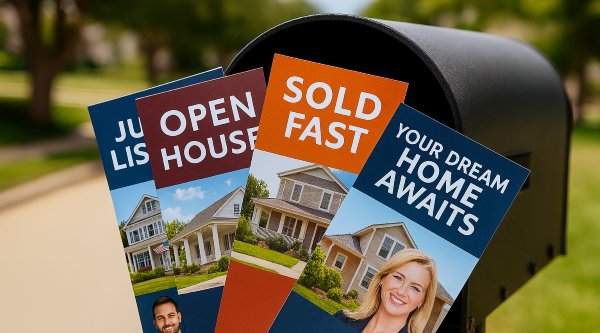

Let the lockbox open doors today.
Let your marketing open the next ones tomorrow.
Home > Real Estate Leads >> Real Estate Leads Via Lockboxes
🔥Top Pages in July 2026

💌 Real Estate Marketing Talk Home Page→
Timely Strategies and Resources for Agents | Buyers, Sellers and Investors!
📝 Expired Listing Postcards →
Ideas That Flip the Script on Agent Visibility
🏷️How to Get Expired Real Estate Leads Without Cold Calling →
Create a system where expired listing owners call you first
📬Farming Expired Listings →
Simple System. Uncommon Results.
🏷️ Real Estate Agent Directory →
Magnetic Taglines That Pull Clients Toward You Instantly
🚪 Your Gateway to Targeted Insights

👔 For Agents →
Branding tips, lead gen strategies & marketing tools to grow your business
🏡 For Buyers → Smart buying guides, market insights & negotiation tips for your next move
📦 For Sellers → Listing prep, pricing strategies & proven tactics to sell fast and profitably
💰 For Investors → ROI-focused content, property analysis tools & market trend breakdowns


