Great Real Estate Web Design
Delivers Visitors, Clicks and Clients
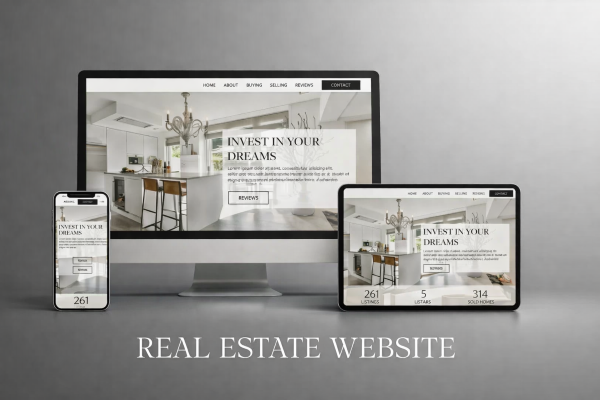
A strong real estate web design does more than look good — it guides visitors, builds trust, and turns casual browsers into real leads. For today’s agents, your website is often the first showing you give. If it feels dated, confusing, or hard to use on mobile, potential clients move on fast.
Effective design supports function. When aligned with strategy, it becomes part of a high-performing real estate agent website.
Below are the core elements that separate average real estate websites from those that consistently attract traffic and generate inquiries.
Seven Vital Elements of Effective Real Estate Web Design
1. Real Estate Web Design Should Reflect Your Brand, Not a Generic Template
Your website should immediately communicate who you are and who you serve. Cookie-cutter templates make it harder to stand out in competitive markets. A well-designed real estate website reflects your personality, professionalism, and market focus while reinforcing credibility.
Brand consistency across colors, typography, imagery, and messaging helps visitors feel confident that they’re dealing with a knowledgeable local expert — not just another agent using the same theme as everyone else.
2. Intuitive Navigation Improves User Experience and Keeps Visitors Engaged
Navigation is one of the most overlooked aspects of realtor website design, yet it plays a major role in conversions. Visitors should be able to find listings, resources, and contact options quickly — without guessing or digging.
Clear menus, logical page structure, and descriptive labels reduce frustration and increase time on site. The easier your website is to use, the more likely visitors are to explore deeper and take action.
3. High-Quality Visuals Elevate Real Estate Website Design
Real estate is visual by nature. Professional property photos, clean layouts, and well-sized images dramatically improve engagement. When possible, visuals such as virtual tours, video walkthroughs, and neighborhood imagery help visitors emotionally connect with listings.
High-quality visuals don’t just improve aesthetics — they support storytelling, reinforce professionalism, and increase perceived value across your entire site.
4. Content Should Be Engaging, Helpful, and SEO-Friendly
Effective real estate web design works hand-in-hand with content. Beyond listings, your website should offer useful information for buyers and sellers, such as market insights, neighborhood guides, FAQs, and educational articles.
Well-written content builds trust, positions you as an authority, and supports long-term SEO growth. It also gives search engines clear signals about what your site covers and who it’s meant to serve.
5. Responsive Real Estate Web Design Is No Longer Optional
More than half of real estate website traffic now comes from mobile devices. A responsive design ensures your website looks and functions properly on phones, tablets, and desktops without forcing users to pinch, zoom, or struggle with layout issues.
A mobile-friendly real estate website improves user satisfaction, lowers bounce rates, and supports stronger search visibility — especially for local searches.
6. SEO Integration Helps the Right People Find Your Website
Even the best-looking website won’t perform if it can’t be found. SEO-friendly real estate web design includes optimized headings, clean URLs, fast load times, internal linking, and clear content structure.
Local SEO is especially important for realtors. Proper optimization helps your website appear in searches related to your city, neighborhoods, and services — bringing in visitors who are already looking for help.
7. Lead Capture Turns Website Traffic Into Real Opportunities
A successful real estate website doesn’t rely on visitors to “figure out” what to do next. Strategic lead capture elements — such as newsletter signups, free guides, or market updates — encourage action without pressure.
When visitors receive value in exchange for their contact information, your website becomes a consistent lead-generation tool instead of just an online brochure.
Why Real Estate Web Design Matters More Than Ever
Your website works around the clock. It answers questions, showcases listings, and introduces you to potential clients long before you speak with them.
Thoughtful real estate website design for realtors creates clarity, builds confidence, and supports every other marketing effort you run. For a deeper look at the strategy behind high‑performing agent websites, the Website Design for Realtors hub breaks down the full framework.
If your current site feels outdated or overly generic, improving its structure and usability can have a direct impact on traffic, engagement, and lead quality.
Frequently Asked Questions About Real Estate Web Design
What makes real estate web design different from other types of websites?
Real estate websites must balance strong visuals, intuitive navigation, SEO structure, and lead capture. Unlike general business sites, they also need to support listings, location-based searches, and frequent content updates.
Why is responsive real estate web design so important?
Most buyers and sellers browse real estate websites on mobile devices. A responsive design ensures your site works smoothly on phones, tablets, and desktops, improving user experience and search visibility.
How does SEO affect real estate website design?
SEO influences how pages are structured, how content is organized, and how visitors move through your site. SEO-friendly real estate web design helps search engines understand your content while guiding users toward action.
Should realtors use templates or custom real estate web design?
Templates can work as a starting point, but they often limit branding and flexibility. A custom or strategically customized design gives realtors more control over user experience, SEO performance, and lead generation.
Can a real estate website really help generate leads?
Yes. When real estate web design includes clear navigation, valuable content, and thoughtful lead capture elements, your website becomes a 24/7 marketing asset that supports inquiries, follow-ups, and long-term growth.
Build, Optimize, and Grow Your Real Estate Website
If you're ready to move beyond design and start building a website that actually performs, these next steps will help you turn structure, content, and visibility into consistent opportunities.


Summation
Building a strong online presence doesn’t happen overnight — it’s the result of thoughtful design, clear messaging, and consistent improvement. As you continue refining your real estate website, focus on usability, content, and connection. Small upgrades add up, and every improvement moves you closer to a website that works as hard as you do.
Home > Website Design For Realtors >> Real Estate Web Design
🔥Top Pages in July 2026

💌 Real Estate Marketing Talk Home Page→
Timely Strategies and Resources for Agents | Buyers, Sellers and Investors!
📝 Expired Listing Postcards →
Ideas That Flip the Script on Agent Visibility
🏷️How to Get Expired Real Estate Leads Without Cold Calling →
Create a system where expired listing owners call you first
📬Farming Expired Listings →
Simple System. Uncommon Results.
🏷️ Real Estate Agent Directory →
Magnetic Taglines That Pull Clients Toward You Instantly
🚪 Your Gateway to Targeted Insights

👔 For Agents →
Branding tips, lead gen strategies & marketing tools to grow your business
🏡 For Buyers → Smart buying guides, market insights & negotiation tips for your next move
📦 For Sellers → Listing prep, pricing strategies & proven tactics to sell fast and profitably
💰 For Investors → ROI-focused content, property analysis tools & market trend breakdowns


