Email Marketing List Rental: When It Helps Real Estate Agents (And When It Hurts)

Email marketing list rental can feel like a tempting shortcut when you’re eager to get your message in front of more homeowners, buyers, or investors fast. Compared with slowly building your own list, renting access to someone else’s database looks like a quick way to plug into email marketing for real estate—especially if you’ve just started working on email marketing for real estate agents and want traction now. But like most shortcuts in marketing, it comes with tradeoffs you need to understand clearly before you spend a dollar.
What is email marketing list rental?
At its simplest, email marketing list rental means you pay a third‑party provider for access to their email database so you can send one or more campaigns to a segment that matches your target audience. You don’t own the list; you’re essentially “borrowing” it under strict usage rules. The provider controls the data, the opt‑in records, and often the actual sending of the email.
How list rental usually works
You choose targeting criteria—geography, homeowner status, income range, interests, or other filters—and the provider builds a segment that fits your campaign. In many cases, the provider sends the email on your behalf, using your creative but their infrastructure, so the list never actually lands in your CRM. You pay per thousand records (CPM) or per send, and you may get basic reporting on opens, clicks, and responses.
Why real estate agents consider list rental
Agents look at list rental when they want to generate attention quickly: a new listing launch, a relocation campaign, or a push to fill a webinar or home‑seller workshop. Compared with traditional farming, it can feel like a fast way to generate online real estate leads without waiting months for SEO, social, or direct mail to compound.
Pros and risks of email list rental
Advantages: speed, scale, and targeting
The biggest upside is speed. Instead of spending months building a list, you can reach thousands of targeted contacts in days. Good providers offer detailed filters—location, homeowner vs. renter, property type, income, and more—so you can focus on the people most likely to care about your message. For agents who are testing a new niche or market, this can be a useful way to see who responds before you invest heavily in long‑term campaigns.
Risks: engagement, reputation, and cost
The downside is that rented lists rarely perform like a list you’ve built yourself. Recipients don’t know you, haven’t opted in to your brand, and may be less engaged or even suspicious. That can mean lower open rates, fewer clicks, and more spam complaints. If the provider’s data isn’t clean or compliant, you also risk damaging your sender reputation—making it harder for your own list emails to land in the inbox later.
When email list rental makes sense for real estate agents
Short‑term campaigns and market tests
List rental can make sense when you have a very specific, time‑sensitive campaign: a new‑build community launch, a relocation push, or a “sell now” message in a hot seller’s market. Used sparingly, it can help you test offers, subject lines, and positioning before you roll them out to your own list or build full funnels around them.
Bridging the gap while you build your own list
If you’re serious about email, your long‑term asset is still a list you own and control. While you’re learning how to build an email list with opt‑in forms, lead magnets, and landing pages, a carefully chosen rented list can help you keep deals moving. Think of it as a bridge—not a replacement—for your owned database.
How to choose an email list rental provider
Data quality and recency
Ask how often the provider verifies and updates their data. Stale records lead to bounces, spam traps, and poor performance. You want a provider that invests heavily in hygiene—removing invalid addresses, suppressing complainers, and honoring opt‑outs quickly.
Targeting options and transparency
Look for clear, transparent targeting options: geography down to ZIP or carrier route, homeowner vs. renter, property type, and other real‑estate‑relevant filters. The more precisely you can define your audience, the more likely your message will resonate and the less you’ll waste on people who were never a fit.
Sending model and control
Some providers send the email themselves; others will license data for you to send through your own platform. Each model has pros and cons. When they send, you protect your own sender reputation but have less control. When you send, you gain control but must be extra careful about compliance and deliverability.
Spotlight: Data Axle USA (formerly InfoUSA)
Why Data Axle USA is often on the shortlist
Data Axle USA is one of the better‑known data providers in the U.S. market, with large consumer and business databases and a long history in list rental. For real estate agents, the appeal is their ability to combine geographic targeting with homeowner and property‑related filters, so you’re not just blasting a generic list—you’re reaching people who look more like your ideal client.
Services beyond list rental
In addition to email list rental, providers like Data Axle USA often offer postal lists, phone data, and campaign services. That can be useful if you’re building multi‑channel funnels that combine email with postcards, calls, or retargeting. Just remember: even with a strong provider, you still need a clear offer, strong copy, and a follow‑up plan to turn responses into appointments and closings.
Compliance, consent, and deliverability
Respecting consent and regulations
Even when you’re renting a list, you’re still responsible for how your brand shows up in the inbox. Make sure the provider can document consent and complies with CAN‑SPAM and other applicable regulations. Your emails should include a clear sender name, physical address, and an easy way to opt out. Cutting corners here can hurt you far beyond a single campaign.
Protecting your sender reputation
If you send rented‑list campaigns through your own platform, monitor bounce rates, spam complaints, and engagement closely. High complaint rates can damage your ability to reach the inbox—even for your fully opted‑in subscribers. This is one reason many agents prefer to keep their highest‑value content and offers for their own list, built through opt‑in email marketing, and treat rented lists as a separate, more experimental channel.
Are rented lists enough for a real estate email strategy?
Why your owned list is still the real asset
Rented lists can help you get in front of people quickly, but they don’t build an asset you can rely on year after year. The real leverage comes from a list of past clients, sphere, and local homeowners who have chosen to hear from you. That’s where you can run long‑term nurture sequences, market updates, and value‑driven content that supports your real estate follow‑up strategy and keeps you top of mind.
Smart way to combine rented and owned lists
If you decide to test list rental, treat it as a front‑end traffic source. Use it to drive people to opt‑in pages, webinars, or lead magnets where they can join your own list. That way, even if the rented campaign only breaks even on the first send, you’re quietly building an audience you can email for free (or close to it) for years to come.
Email marketing list rental FAQ
Is renting an email list a good idea for real estate agents?
It can be — but only when used strategically. Rented lists help you reach a large, targeted audience quickly, but engagement is usually lower than with your own opt‑in list. Agents who treat list rental as a short‑term traffic source, not a long‑term database, tend to see the best results.
How much does email list rental typically cost?
Most providers charge on a CPM (cost per thousand) basis. Pricing varies widely depending on targeting depth, data quality, and whether the provider sends the email for you. Expect higher CPMs for homeowner‑specific, geographic, or property‑based targeting.
Will I receive the email addresses to use in my own CRM?
Usually no. Most reputable providers do not release the raw email addresses. Instead, they send the campaign on your behalf to protect their data and maintain compliance. If a provider offers to hand over the list, that’s often a red flag for poor data quality or questionable consent practices.
Can renting a list hurt my sender reputation?
Yes — if you send the campaign through your own email platform. Rented lists often include cold or unengaged contacts, which can lead to high bounce rates and spam complaints. To protect your domain, many agents prefer providers who handle the sending themselves.
What’s the best alternative to renting an email list?
Building your own opt‑in list. It takes longer, but it produces far better engagement, higher deliverability, and stronger long‑term ROI. Lead magnets, landing pages, and consistent follow‑up help you grow a list you own and can email anytime without additional cost.
Related pages: deepen your email and lead strategy

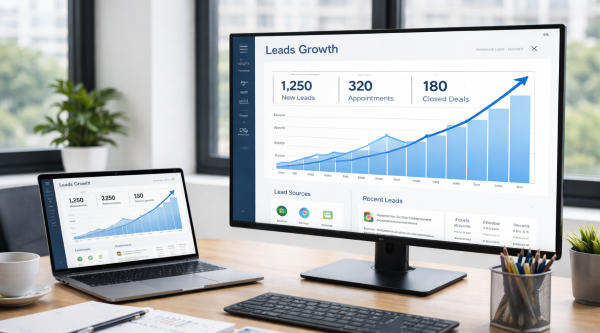

Reach fast. Test smart. When timing matters, renting an email list gives you the runway to move.
Home Page > Email Marketing For Real Estate Agents >> Email Marketing List Rental
🔥Top Pages in September 2026

💌 Expired Listing Letters →
Send the message that gets sellers calling you back
🏷️ Real Estate Agent Directory →
Get discovered by buyers, sellers, and referral partners searching for agents
📝 Email Marketing for Real Estate Agents →
Send emails that spark replies and start real conversations
🏷️Real Estate Marketing Talk Blog →
Get fresh ideas that help agents grow, connect, and win more business
📬Real Estate Website Content →
Simple System. Uncommon Results.
🚪 Your Gateway to Targeted Insights

👔 For Agents →
Branding tips, lead gen strategies & marketing tools to grow your business
🏡 For Buyers → Smart buying guides, market insights & negotiation tips for your next move
📦 For Sellers → Listing prep, pricing strategies & proven tactics to sell fast and profitably
💰 For Investors → ROI-focused content, property analysis tools & market trend breakdowns