How Does Rent to Own Work for Home Buyers
Why Rent to Own Catches Attention
For many buyers, the dream of homeownership feels just out of reach. Credit scores are too low, savings accounts aren’t big enough, or loan approvals keep stalling. That’s where rent to own homes enter the picture. This creative housing option bridges the gap between renting and buying, offering buyers the chance to move in today while working toward ownership tomorrow. But how exactly does it work, and is it the right move for you?
For a broader foundation on buying and selling strategies, you can explore the real estate articles for buyers and sellers page.
What Rent to Own Really Means
At its core, rent to own is a hybrid agreement: you lease a property for a set period with the option to purchase it later, usually at a pre-agreed price. Think of it as a test drive of both the home and homeownership itself.
The three main elements
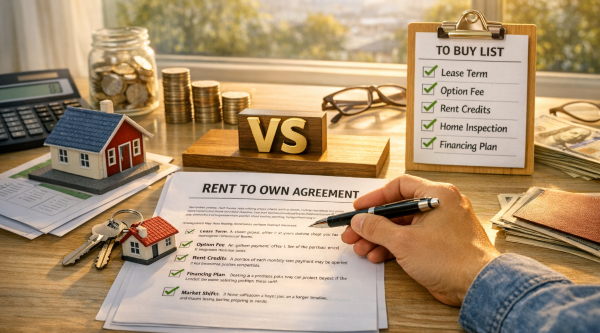
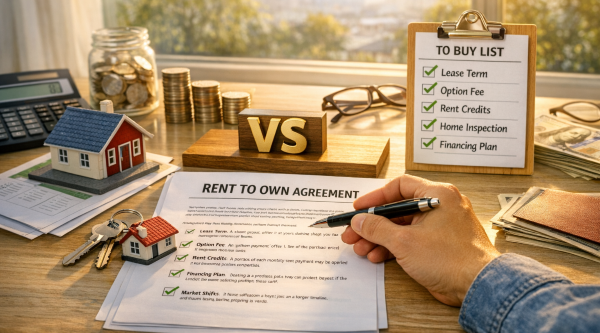
1) Lease term: A rental period, often 1–3 years, during which you live in the home as a tenant-buyer.
2) Option fee: An upfront payment (often 1–5% of the purchase price) that gives you the exclusive right to buy.
3) Rent credits: A portion of each monthly rent payment may be applied toward the future purchase price or down payment.
When the lease ends, you can either buy the home under the agreed terms or walk away—though walking away often means forfeiting your option fee and rent credits.
For a balanced look at the structure itself, the Pros and Cons of Rent to Own Homes for Buyers and Sellers Guide is a helpful companion.
Why Buyers Choose Rent to Own
Credit challenges
Rent to own gives buyers time to improve credit before applying for a mortgage, while already living in the home they hope to buy.
Down payment struggles
Rent credits can help build a future down payment over time, turning part of your rent into a step toward ownership.
Uncertain timing
Some buyers aren’t ready to commit fully today but don’t want to lose out on tomorrow’s opportunities. Rent to own offers flexibility.
Rising home prices
Locking in a purchase price now can protect buyers if the market climbs during the lease term.
What Sellers Gain in the Process
Steady rental income
Sellers collect rent during the lease term, often at a slightly higher rate due to credits and the option value.
Motivated tenants
Tenant-buyers with “skin in the game” through option fees and rent credits are more likely to care for the property.
Expanded buyer pool
Rent to own opens doors for people who can’t yet qualify for a mortgage but are working toward it.
Potential for a sale
Sellers still secure a buyer—just on a longer timeline, with income along the way.
The Risks and Pitfalls to Consider
For buyers
Non-refundable fees: Option fees and rent credits are typically lost if you don’t buy.
Higher rents: Monthly payments are often above-market to account for credits.
Responsibility for repairs: Some contracts make the tenant-buyer responsible for maintenance and repairs.
Market shifts: If home values fall, you might be locked into paying more than the property is worth.
For sellers
Risks include tenants who fail to maintain the home, never follow through with the purchase, or struggle to qualify for financing when the lease ends.
To avoid common missteps, the Common Mistakes to Avoid in Rent to Own Homes Guide is an important read.
Key Steps for Buyers Considering Rent to Own
1) Do the math
Compare the total cost—rent, credits, fees, and option fee—against saving for a down payment through a traditional path.
2) Get the contract reviewed
Always have a real estate attorney review the agreement so you understand your rights, responsibilities, and timelines.
3) Inspect the home
Rent to own doesn’t replace a home inspection. You still need to know what you’re buying into.
4) Work on financing early
Use the lease term to build credit, reduce debt, and get mortgage-ready. The Can You Get Financing After a Rent to Own Agreement Guide explains how to plan ahead.
5) Understand your exit
Know exactly what happens if you choose not to buy—what you lose, what you keep, and how to document your decision.
Who Rent to Own Best Serves
Buyers who benefit most
Rent to own shines brightest for first-time buyers struggling with credit or down payments, those who want to settle into a community while preparing for financing, and those who fear being priced out of hot housing markets.
Sellers who benefit most
It’s equally valuable for sellers or landlords who want steady rental income while keeping the possibility of a sale, prefer tenants motivated to maintain the property, need to expand their buyer pool, and are comfortable earning option fees up front to offset holding costs.
Conclusion: A Pathway, Not a Shortcut
Rent to own isn’t magic—but it can be a pathway to homeownership for buyers who need more time or flexibility. By understanding how the process works, weighing the benefits against the risks, and moving forward with clear eyes, buyers and sellers can both find value in the arrangement.
More Guides to Strengthen Your Understanding

How does rent to own work for home buyers?
Learn the steps. Respect the risks. Use it as a bridge to ownership—not a shortcut.
Home > Real Estate Articles >> Real Estate Articles for Buyers and Sellers >> How Does Rent to Own Work for Home Buyers
🔥Top Pages in August 2026

💌 Expired Listing Letters →
Send the message that gets sellers calling you back
📝 Email Marketing for Real Estate Agents →
Send emails that spark replies and start real conversations
🏷️ Real Estate Agent Directory →
Get discovered by buyers, sellers, and referral partners searching for agents
🏷️Real Estate Marketing Talk Blog →
Get fresh ideas that help agents grow, connect, and win more business
📬Real Estate Website Content →
Simple System. Uncommon Results.
🚪 Your Gateway to Targeted Insights

👔 For Agents →
Branding tips, lead gen strategies & marketing tools to grow your business
🏡 For Buyers → Smart buying guides, market insights & negotiation tips for your next move
📦 For Sellers → Listing prep, pricing strategies & proven tactics to sell fast and profitably
💰 For Investors → ROI-focused content, property analysis tools & market trend breakdowns