Real Estate Website: Build a Presence That Attracts Visitors, Builds Trust, and Generates Leads
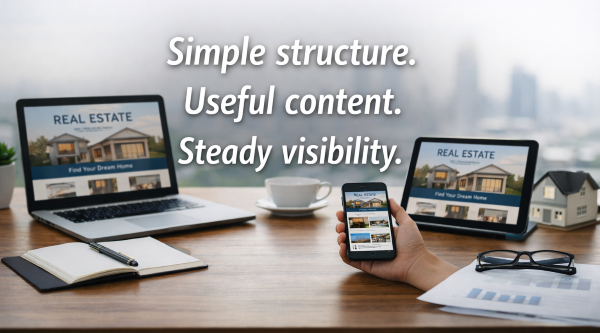
A strong real estate website is no longer optional—it’s your foundation. It’s where first impressions happen, where trust begins, and where many of your future clients will quietly decide whether to reach out or move on.
If you’ve ever wondered what separates an average site from one that consistently brings in inquiries, it comes down to clarity, structure, and purpose. The broader strategy behind that is explored in website design for realtors, but here, we’ll focus on how to build a presence that works for you day after day.
Why You Need a Real Estate Website
Your website is your digital storefront. Unlike social media profiles or third-party platforms, it’s the one place you fully control. That control matters.
Buyers and sellers today don’t wait to speak with an agent. They research, compare, and evaluate quietly. When they land on your site, they’re asking simple questions:
- Does this agent seem credible?
- Is this information helpful?
- Is it easy to take the next step?
A well-structured real estate website answers those questions without friction. It creates a sense of confidence before you ever have a conversation.
Ways to Build Your Real Estate Website
There isn’t one right way to build a website. What matters is choosing an approach that fits your comfort level and long-term goals.
Learn the Basics and Build from Scratch
If you enjoy learning new skills, understanding basic HTML and website structure can give you more control over your site. Even a simple foundation can go a long way when paired with clear messaging and consistent updates.
Use Website Builders
Modern website builders simplify the process. They allow you to design pages, add content, and publish quickly without technical complexity. For many agents, this is the fastest path to getting online.
Work with a Professional
Hiring a designer or developer can save time and create a more polished result. The key is making sure your site isn’t just visually appealing—it should also support your marketing goals and lead generation efforts.
Content That Makes Your Website Work
Design brings people in. Content keeps them there.
Your website should go beyond listings. It should answer questions, provide guidance, and position you as a helpful resource. This is where many agents gain a long-term advantage.
Pages focused on buying, selling, neighborhoods, and market insights all contribute to visibility and trust. A deeper look at how to structure and scale this can be found in real estate website content, especially if you're aiming to build traffic over time.
Consistency matters more than volume. A steady flow of useful content creates momentum that compounds.
DIY vs Professional Real Estate Websites
Both paths can work. The difference is how you want to spend your time.
The DIY Approach
Building your own site can be cost-effective and flexible. You control updates, changes, and direction. It’s a good fit if you prefer hands-on involvement.
The Professional Route
A professional can help you avoid common pitfalls and create a smoother experience for your visitors. If you go this route, look for someone who understands real estate specifically—not just general web design.
Many agents find success with a hybrid approach: starting with a professional framework and learning to manage updates themselves.
Platforms and Tools That Support Your Website
Once your site is live, the next step is making it visible. This is where optimization comes into play.
Search engines are often the starting point for buyers and sellers. Structuring your site so it can be found—and understood—makes a meaningful difference. You can explore that side further through real estate search engine optimization.
Beyond visibility, your website should guide visitors toward action. That could be a contact form, a downloadable guide, or a simple inquiry. Small details like this shape how effective your site becomes over time.
If you’re looking at how everything fits together—from structure to functionality—the broader picture is covered in real estate agent website strategy.
Frequently Asked Questions About Real Estate Websites
Do I really need a real estate website if I use social media?
Yes. Social platforms are helpful, but you don’t control them. A website gives you a central, reliable place to build your brand and capture leads.
How long does it take to build a real estate website?
It depends on your approach. A simple site can be live in a day, while a more customized website may take several weeks to refine and launch.
What should be included on a real estate website?
Clear navigation, helpful content, property information, and a simple way for visitors to contact you are essential elements.
Can a real estate website generate leads on its own?
Yes, especially when it combines useful content, clear structure, and visibility through search engines or marketing efforts.
Build, Optimize, and Grow Your Real Estate Website
Once your website is in place, the real opportunity begins. These resources will help you strengthen your content, improve visibility, and turn your website into a consistent source of leads.


Simple structure.
Useful content.
Steady visibility.
Let your real estate website work.
Home > Website Design For Realtors >> Real Estate Website
🔥Top Pages in August 2026

💌 Expired Listing Letters →
Send the message that gets sellers calling you back
📝 Email Marketing for Real Estate Agents →
Send emails that spark replies and start real conversations
🏷️ Real Estate Agent Directory →
Get discovered by buyers, sellers, and referral partners searching for agents
🏷️Real Estate Marketing Talk Blog →
Get fresh ideas that help agents grow, connect, and win more business
📬Real Estate Website Content →
Simple System. Uncommon Results.
🚪 Your Gateway to Targeted Insights

👔 For Agents →
Branding tips, lead gen strategies & marketing tools to grow your business
🏡 For Buyers → Smart buying guides, market insights & negotiation tips for your next move
📦 For Sellers → Listing prep, pricing strategies & proven tactics to sell fast and profitably
💰 For Investors → ROI-focused content, property analysis tools & market trend breakdowns


