Top Reasons to Avoid Credit Cards
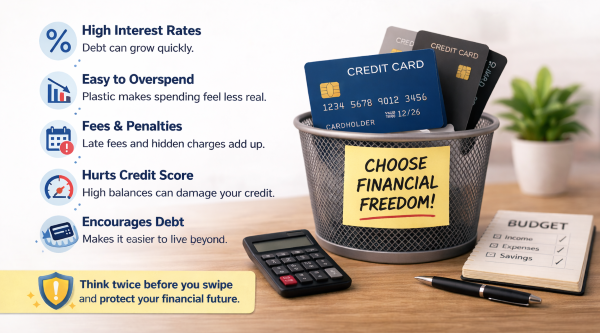
Sometimes the smartest financial decisions aren’t dramatic. They’re quiet shifts — the kind that help you stay in control instead of feeling like you’re constantly catching up. Credit cards fall squarely into that category. They’re convenient, yes. But they also come with strings that can quietly tighten over time.
If you want a deeper look at how credit card companies position their products and influence consumer behavior, the Credit Card Marketing Reports page is a great place to start. Once you understand the system, it becomes easier to decide how much of it you want in your life.
Let’s walk through this together — calmly, clearly, and without judgment. Think of this as a coaching session, not a lecture. You’re not “bad with money.” You’re simply navigating a financial tool that was designed to encourage spending.
The Convenience Trap: When “Easy” Becomes Expensive
Credit cards make buying things feel effortless. No cash leaving your hand. No immediate consequence. Just a swipe, tap, or click. That ease is exactly why balances grow faster than expected.
A $12 lunch here, a $40 impulse buy there — it adds up. If you’ve ever looked at a statement and thought, “How did it get this high?” you’re not alone. This pattern shows up again and again in stories about credit card debt and how quickly it can build.
Why Small Purchases Don’t Feel Like Real Spending
Most people don’t get into trouble with one big purchase. It’s the slow drip. A subscription here. A quick online buy because the card is already saved in the browser. Those small charges don’t feel like real spending — until the statement arrives.
Psychologists call this “payment decoupling.” When the pain of paying is separated from the act of buying, you spend more. Cash hurts. Cards don’t. And that’s the trap.
Credit vs. Debt: What’s Really Going On?
Credit cards are often marketed as tools for freedom, flexibility, and rewards. But at their core, they’re debt instruments. Every swipe is a small loan. And loans come with terms.
If you’ve ever taken a closer look at credit card rate hikes, you already know how quickly interest can turn a simple purchase into a long-term obligation. A balance that feels manageable today can quietly double over time if you only make the minimum payment.
Minimum Payments Are Designed to Stretch Out Your Debt
Minimum payments feel manageable — that’s intentional. They’re structured to stretch your repayment timeline, maximizing interest for the lender. A $2,000 balance can take years to pay off with minimum payments, even if you never charge another dollar.
This is why so many financial coaches encourage people to pay more than the minimum. Even small increases can make a big difference, as explained in reasons to pay more than the minimum payment.
When “Helpful” Offers Aren’t Really Helpful
Credit card companies love offering higher limits, bonus points, and promotional deals. It feels like a reward — a sign you’re doing well. But it’s also a strategy. Higher limits mean more room for interest to grow.
Many people eventually go searching for common credit card mistakes because they realize how easy it is to fall into patterns that benefit the lender more than the consumer.
More Available Credit Doesn’t Equal More Safety
It’s easy to mistake a higher limit for a safety net. In reality, it’s just more potential debt. Once balances rise, the cycle becomes harder to break. That’s why some people explore the best credit card deals — not because they want more cards, but because they’re trying to escape the terms of the old ones.
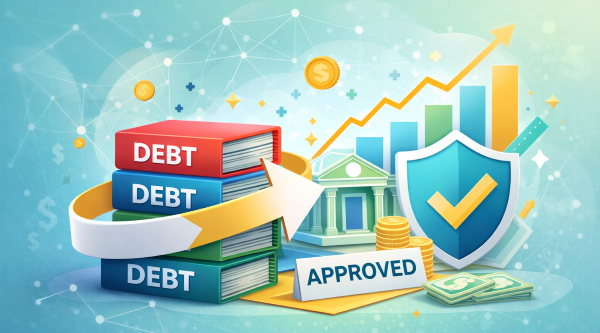
And when the pressure becomes too much, balance transfers can feel like a lifeline. Used wisely, they can help, as explained in transfer balances to save money. But they’re still part of the same system — one designed to keep you circulating debt rather than eliminating it.
When Credit Cards Can Still Make Sense
To be fair, credit cards aren’t villains. They have legitimate uses: emergencies, travel protections, building credit, and fraud protection. The key is using them intentionally, not casually.
You don’t have to swear off credit cards forever to benefit from this perspective. Even choosing to use them less — or only for specific, planned purposes — can dramatically reduce stress and interest costs over time.
Helpful Guides for Smarter Credit Decisions
Quiet moves. Strong outcomes.
Trust the top reasons to avoid credit cards.
Home Page > Real Estate Website Content >> Credit Card Marketing Reports >> Top Reasons to Avoid Credit Cards
🔥Top Pages in July 2026

💌 Real Estate Marketing Talk Home Page→
Timely Strategies and Resources for Agents | Buyers, Sellers and Investors!
📝 Expired Listing Postcards →
Ideas That Flip the Script on Agent Visibility
🏷️How to Get Expired Real Estate Leads Without Cold Calling →
Create a system where expired listing owners call you first
📬Farming Expired Listings →
Simple System. Uncommon Results.
🏷️ Real Estate Agent Directory →
Magnetic Taglines That Pull Clients Toward You Instantly
🚪 Your Gateway to Targeted Insights

👔 For Agents →
Branding tips, lead gen strategies & marketing tools to grow your business
🏡 For Buyers → Smart buying guides, market insights & negotiation tips for your next move
📦 For Sellers → Listing prep, pricing strategies & proven tactics to sell fast and profitably
💰 For Investors → ROI-focused content, property analysis tools & market trend breakdowns