Missed a Credit Card Payment? Here’s How to Recover Calmly and Confidently
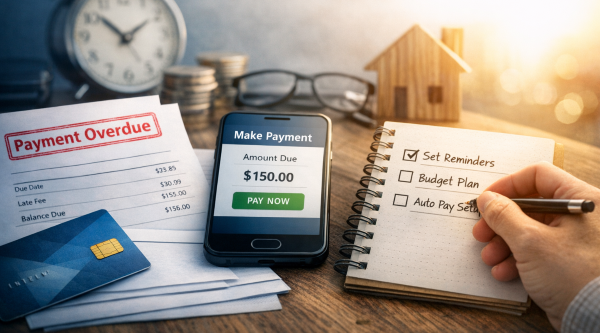
Missing a credit card payment happens more often than people admit. Life gets busy, due dates slip by, and suddenly there’s a late fee or a dip in your credit score. Before you assume the worst, take a breath. You have more control than you think—and the steps you take next matter far more than the slip itself. If you’re also exploring how credit card companies operate behind the scenes, you may find the insights in the Credit Card Marketing Reports surprisingly helpful.
Let’s walk through what really happens after a missed payment, how to minimize the impact, and how to get back on steady financial ground.
What Happens When You Miss a Payment?
A missed payment typically triggers three things:
- A late fee
- A possible penalty APR
- A potential negative mark on your credit report
But here’s the part most people don’t realize: timing is everything. If you act quickly—often within 30 days—you can prevent the missed payment from ever appearing on your credit history.
Step One: Confirm How Late the Payment Is
Before you do anything else, log in to your account and check the exact status. Are you one day late? Ten days? Thirty?
The earlier you catch it, the easier the fix. Many issuers offer grace periods or will waive a first-time late fee if you’ve been a reliable customer. A quick, polite call can go a long way.
Step Two: Make the Payment Immediately
Even if you can’t pay the full balance, pay at least the minimum due. This stops additional late fees and prevents the account from slipping into the next delinquency window.
If you’re juggling multiple balances or trying to understand how interest stacks up, this guide on credit card rate hikes can help you see how quickly costs can climb if left unchecked.
Step Three: Contact Customer Service
This is where the calm, coach-like approach pays off. A simple script works beautifully:
“I noticed I missed my payment date. I’ve just made the payment. Since this is unusual for me, would you be willing to waive the late fee?”
Most representatives have the authority to remove at least one fee per year. If you’ve been consistent in the past, your chances are excellent.
Step Four: Watch for a Penalty APR
Some credit card companies raise your interest rate after a missed payment. Others wait for multiple late payments before making a change.
If you want to compare how different cards handle penalties, this overview of credit card terms breaks down the fine print in plain language.
Step Five: Protect Your Credit Score
A late payment typically isn’t reported to the credit bureaus until it’s 30 days past due. If you’re within that window, you can still avoid a negative mark.
If it has been reported, don’t panic. One late payment won’t destroy your score, and its impact fades over time. Consistent on-time payments going forward will help you recover steadily.
For a deeper look at how credit scoring works, this page on credit rating offers a clear, consumer-friendly breakdown.
Step Six: Set Up Safeguards for the Future
A missed payment is often a sign that a system—not a person—needs adjusting. A few simple tools can prevent future slips:
- Auto-pay for minimum payments
- Calendar reminders
- Due-date adjustments
- Text or email alerts
These small changes create a buffer between you and the next oversight.
When a Missed Payment Is Part of a Bigger Pattern
If you’re noticing a cycle—late payments, rising balances, or difficulty keeping up—it may be time to step back and look at the bigger picture. You’re not alone, and you’re not stuck. Many people rebuild their financial footing by taking small, consistent steps.
If you’re exploring broader financial topics or building out educational content, you might find inspiration in the site’s collection of real estate articles, which follow the same calm, structured, reader-first approach.
Final Thoughts
A missed credit card payment isn’t a financial failure—it’s a moment. A signal. A nudge to tighten a system or adjust a habit. With a clear plan and a steady mindset, you can correct the slip, protect your credit, and move forward with confidence.
If you’d like, I can also create a sidebar summary, a CTA block, or a matching hero image concept to complete the page’s presentation.
Smart Money Moves: Articles to Support Your Next Step



Home Page > Real Estate Articles >> Credit Card Marketing Reports >> Missed Credit Card Payment
🔥Top Pages in July 2026

💌 Real Estate Marketing Talk Home Page→
Timely Strategies and Resources for Agents | Buyers, Sellers and Investors!
📝 Expired Listing Postcards →
Ideas That Flip the Script on Agent Visibility
🏷️How to Get Expired Real Estate Leads Without Cold Calling →
Create a system where expired listing owners call you first
📬Farming Expired Listings →
Simple System. Uncommon Results.
🏷️ Real Estate Agent Directory →
Magnetic Taglines That Pull Clients Toward You Instantly
🚪 Your Gateway to Targeted Insights

👔 For Agents →
Branding tips, lead gen strategies & marketing tools to grow your business
🏡 For Buyers → Smart buying guides, market insights & negotiation tips for your next move
📦 For Sellers → Listing prep, pricing strategies & proven tactics to sell fast and profitably
💰 For Investors → ROI-focused content, property analysis tools & market trend breakdowns