Consolidation Loans: A Clearer Path Through Credit Card Debt
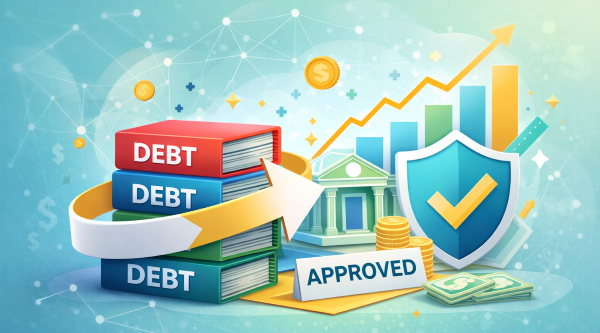
Sometimes debt feels like it’s coming from every direction — different cards, different rates, different due dates. A consolidation loan can look like a lifeline, especially when you’re trying to make sense of what’s pulling you forward and what’s holding you back. And if you’ve been exploring the numbers inside the Credit Card Marketing Reports, you already know how quickly interest can snowball when balances spread across multiple accounts.
This guide walks you through consolidation loans in a grounded, practical way — not as a magic fix, but as a tool you can use to make clearer, more confident decisions about your money. And just like creating real estate website content that puts the reader first, the goal here is simple: give you information that feels manageable, helps you understand your options, and supports the next step you want to take.
What a Consolidation Loan Actually Does
A consolidation loan takes multiple high‑interest debts and rolls them into one new loan — ideally with a lower interest rate and a single monthly payment. It’s not complicated, but it is a shift in how you manage your money. Instead of juggling several due dates, you’re working with one structured plan.
This can be especially helpful if you’ve been dealing with rising rates or unpredictable minimum payments. If you’ve read about how lenders adjust rates in response to market changes, the insights from credit card rate hikes make the appeal of a fixed-rate consolidation loan even clearer.
The Upside — Why People Choose Consolidation
One Payment, One Plan
The biggest benefit is simplicity. One payment is easier to track, easier to budget for, and easier to stay consistent with. When you’re trying to rebuild momentum, reducing mental clutter matters.
Lower Interest (Usually)
Most consolidation loans offer a lower rate than credit cards — especially if your credit is stable. That means more of your payment goes toward the principal instead of feeding interest. If you’ve been comparing options or studying how credit scores influence borrowing, the breakdown inside Understanding Your Credit Rating can help you see why some borrowers qualify for better terms than others.
A Defined Payoff Timeline
Unlike credit cards, which can stretch on indefinitely, consolidation loans have a clear end date. That structure alone can feel like a breath of fresh air.
The Trade-Offs — What to Watch Carefully
Lower Payments Can Mean Longer Debt
A lower monthly payment sounds great — until you realize it may extend your loan for 10, 15, or even 20 years. That’s why it’s important to choose a payment you can afford without stretching the timeline so far that progress becomes invisible.
The Temptation to Use Credit Again
Once your cards show a zero balance, it’s easy to feel like you’ve “reset” your financial life. But opening new cards or running balances back up is the fastest way to end up with more debt than before. A consolidation loan only works when spending habits shift with it.
Your Home May Be the Collateral
Many consolidation loans are secured — often by your home. That means missed payments carry real consequences. It’s not meant to scare you; it’s meant to keep you grounded in the reality of the agreement. If you’re considering alternatives, exploring options like balance transfers can help you compare risks and benefits before committing.
How to Decide If a Consolidation Loan Is Right for You
Look at the Total Cost, Not Just the Monthly Payment
A lower payment doesn’t always mean a better deal. Compare the total interest you’ll pay over the life of the loan.
Check Whether the Rate Is Fixed or Temporary
Some lenders offer a low introductory rate that increases later. Make sure you know what you’re signing up for.
Consider Your Spending Patterns
If you’ve struggled with credit card use in the past, a consolidation loan can help — but only if you commit to not rebuilding balances.
Think About Your Long-Term Goals
Are you trying to simplify? Reduce stress? Improve your credit? Free up cash flow? The right loan should support your bigger picture, not just your current moment.
A Clearer Way Forward
A consolidation loan isn’t a shortcut — it’s a strategy. When used thoughtfully, it can help you regain control, reduce interest, and create a more predictable path out of debt. When used impulsively, it can stretch your repayment timeline and put your home at risk.
Take your time. Compare options. And choose the path that supports the future you’re building.
Smarter Credit Decisions



Small shifts. Big relief.
Consolidation loans can open the way.
Home > Real Estate Website Content >> Credit Card Marketing Reports >> Consolidation Loans
🔥Top Pages in July 2026

💌 Real Estate Marketing Talk Home Page→
Timely Strategies and Resources for Agents | Buyers, Sellers and Investors!
📝 Expired Listing Postcards →
Ideas That Flip the Script on Agent Visibility
🏷️How to Get Expired Real Estate Leads Without Cold Calling →
Create a system where expired listing owners call you first
📬Farming Expired Listings →
Simple System. Uncommon Results.
🏷️ Real Estate Agent Directory →
Magnetic Taglines That Pull Clients Toward You Instantly
🚪 Your Gateway to Targeted Insights

👔 For Agents →
Branding tips, lead gen strategies & marketing tools to grow your business
🏡 For Buyers → Smart buying guides, market insights & negotiation tips for your next move
📦 For Sellers → Listing prep, pricing strategies & proven tactics to sell fast and profitably
💰 For Investors → ROI-focused content, property analysis tools & market trend breakdowns