Real Estate Autoresponders: Automate Follow‑Up and Stay Top of Mind
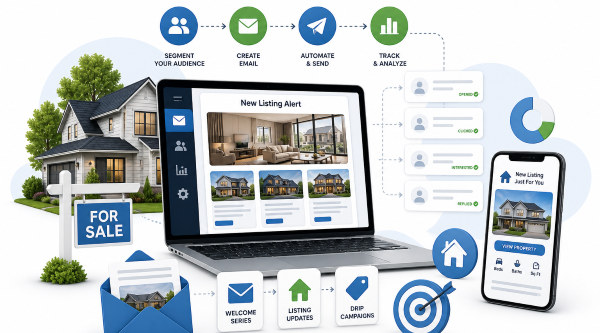
Autoresponders help real estate agents stay consistent, visible, and top‑of‑mind — even on the busiest days. When they’re set up well, they handle the follow‑up that keeps conversations warm, builds trust, and moves buyers and sellers closer to working with you. If you want a stronger foundation before building sequences, start with Email Marketing for Real Estate Agents for the strategy behind the automation.
Now, back to this Real Estate Autoresponders Guide. Think of this page as your central hub for everything related to real estate autoresponders — what to send, when to send it, and complete sequences you can plug into your CRM. You’ll find the tools and ideas that make automated follow‑up feel natural, personal, and effective.
Start Here
Your Autoresponder Resource Hub
- Autoresponder Sequence Templates
- Real Estate Email Templates
- Follow‑Up Email Sequence Ideas
- Autoresponder Examples for Sellers
- Long‑Term Nurture Sequences
- Event‑Triggered Sequences
- Buyer Journey Autoresponder Sequences
- Seller Journey Autoresponder Sequences
- SOI Nurture Autoresponder Sequences
- Re‑Engagement Autoresponder Sequences
What Are Real Estate Autoresponders?
A real estate autoresponder is a pre‑written email or series of emails that sends automatically after someone takes an action—requesting a CMA, downloading a guide, or filling out a form. Instead of sending one manual reply and hoping they remember you, you create a sequence that continues the conversation for days or weeks.
Think of it as a digital assistant that never forgets, never gets tired, and never misses a follow‑up. You write the messages once, set the timing, and your system handles the delivery. For a deeper look at how automation removes daily email chores, this guide on automating emailing chores with a sequential autoresponder breaks down the workflow step by step.
Why Real Estate Autoresponders Matter
Most prospects aren’t ready to hire an agent the moment they reach out. They’re exploring, comparing, and gathering information. Real estate autoresponders help you stay in front of them during that window—consistently, professionally, and without extra effort.
Consistency Builds Trust
When your follow‑up is predictable and helpful, prospects begin to rely on you. They see you as the steady voice in a noisy market.
Automation Protects Your Time
Instead of rewriting the same “Thanks for reaching out” email twenty times a week, you let your system handle the basics while you focus on appointments, negotiations, and closings.
Follow‑Up Becomes a System
Over time, a well‑built sequence becomes a quiet engine that nurtures leads in the background—no scrambling, no forgetting, no missed opportunities.
For real-world scripts and plug‑and‑play sequences, see our Real Estate Autoresponder Examples for Buyers guide.
How Sequential Real Estate Autoresponder Series Work
A sequential real estate autoresponder is simply a series of emails delivered in a specific order on a schedule you choose. For example, a new buyer lead might receive:
Day 1: Welcome + Expectations
A warm introduction, what they can expect from you, and how often you’ll be in touch.
Day 3: Helpful Resource
A short email with a link to a buyer guide, local market snapshot, or list of common mistakes to avoid.
Day 7: Soft Call to Action
An invitation to schedule a quick call, Zoom consult, or in‑person meeting.
If you want a deeper dive into building these sequences, this page on real estate autoresponder tips explains how to structure, time, and optimize each message.
What to Put in Your Real Estate Autoresponder Series
The best real estate autoresponders feel like a helpful conversation, not a sales pitch. Each message should do one of three things: educate, reassure, or invite the next step. Short, simple, and value‑driven always wins. If you want simple message ideas that fit this approach, these real estate drip campaign ideas show how to turn these principles into actual touchpoints.
Ideas for Buyer Sequences
- Local market basics: What’s happening with prices, inventory, and days on market.
- Financing tips: Pre‑approval, down payments, and what lenders really look for.
- Neighborhood insight: Short spotlights on areas they might like.
Ideas for Seller Sequences
- Pricing education: How pricing strategy affects time on market and final sale price.
- Prep checklists: Simple steps to get a home photo‑ready and showing‑ready.
- Marketing overview: How you promote listings, including photos, video, and email marketing.
To see how real estate autoresponders can turn casual interest into real leads, this guide on using auto‑responders to grow email leads shows how small touches compound over time.
Common Real Estate Autoresponder Mistakes to Avoid
Real estate autoresponders are powerful, but they can backfire if they feel robotic or irrelevant. The goal is to sound like a real person who understands real buyers and sellers—not a generic drip campaign.
Sending Too Often or Too Little
Daily emails can feel pushy; one email every few months feels forgettable. Aim for a rhythm that respects their inbox while keeping you top of mind—often every 3–7 days at the start, then tapering.
Talking Only About Yourself
Prospects care about their problems, not your resume. Keep the focus on their questions, fears, and goals.
Never Updating Your Series
Markets change. Your skills grow. Your messaging should evolve too. Review your real estate autoresponder sequences a few times a year and update anything that feels dated or off‑brand.
Putting Your Real Estate Autoresponder to Work
Once your sequence is written, the real magic happens when you connect it to your lead sources. Every form on your website, every landing page, every “get my free guide” offer should feed into an appropriate real estate autoresponder series. That way, no lead slips through the cracks.
Over time, you’ll see patterns—certain messages get more replies, certain subject lines get more opens, certain calls to action generate more appointments. That’s your cue to refine, test, and improve. If you want to build a stronger pipeline, this page on real estate email leads shows how to attract higher‑quality prospects from the start.
Real Estate Autoresponder FAQ
Do real estate autoresponders feel impersonal?
Not when they’re written in your natural voice. Keep them short, warm, and helpful. When the tone feels like you, the automation disappears and the message reads like a thoughtful follow‑up.
How many emails should be in a real estate autoresponder sequence?
Most agents start with 5–10 emails spread over 30–60 days. That’s enough time to build trust, deliver value, and invite the next step without overwhelming the prospect.
Should buyers and sellers get the same sequence?
No. Buyers and sellers have different questions, timelines, and stress points. Tailored sequences always perform better because they speak directly to the prospect’s situation.
What if I don’t have time to write a full sequence?
Start with three simple emails: a welcome, a helpful resource, and a soft call to action. Add more over time. Even a short sequence is better than no follow‑up at all.
More Ways to Automate Your Marketing
Ready to explore more? These related pages expand on the strategies and tools covered in this guide.


As new autoresponder ideas, templates, and sequences roll out across the site, this page will continue to grow. Check back anytime you want fresh ways to automate your follow‑up and stay top‑of‑mind with buyers and sellers.
Home Page > Email Marketing for Real Estate Agents >> Real Estate Autoresponders
🔥Top Pages in July 2026

💌 Real Estate Marketing Talk Home Page→
Timely Strategies and Resources for Agents | Buyers, Sellers and Investors!
📝 Expired Listing Postcards →
Ideas That Flip the Script on Agent Visibility
🏷️How to Get Expired Real Estate Leads Without Cold Calling →
Create a system where expired listing owners call you first
📬Farming Expired Listings →
Simple System. Uncommon Results.
🏷️ Real Estate Agent Directory →
Magnetic Taglines That Pull Clients Toward You Instantly
🚪 Your Gateway to Targeted Insights

👔 For Agents →
Branding tips, lead gen strategies & marketing tools to grow your business
🏡 For Buyers → Smart buying guides, market insights & negotiation tips for your next move
📦 For Sellers → Listing prep, pricing strategies & proven tactics to sell fast and profitably
💰 For Investors → ROI-focused content, property analysis tools & market trend breakdowns