Preparing Your Home for
Sale: A Comprehensive Guide to Attracting Buyers
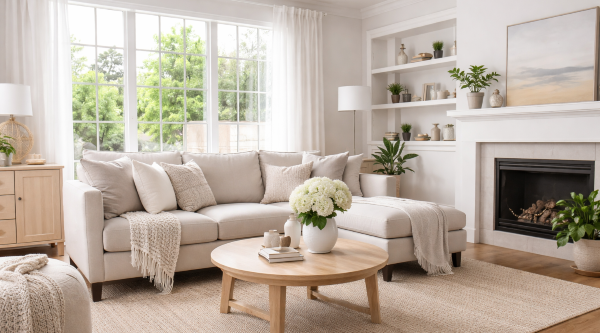
Preparing Your Home for Sale
Preparing your home for sale is not about cleaning—it’s about positioning. The first 7–10 days your property is on the market will largely determine how much attention it receives and how strong your offers will be. Buyers make emotional decisions first and justify them with logic later. Your job is to eliminate friction before they ever walk through the door.
A well-prepared home feels move-in ready, well cared for, and fairly priced. When presentation and pricing align, buyers compete. When they don’t, listings linger. This guide walks you through the preparation process—from curb appeal to interior updates, staging strategy, and smart marketing—so your home enters the market with momentum, not hesitation.
Enhancing Curb Appeal
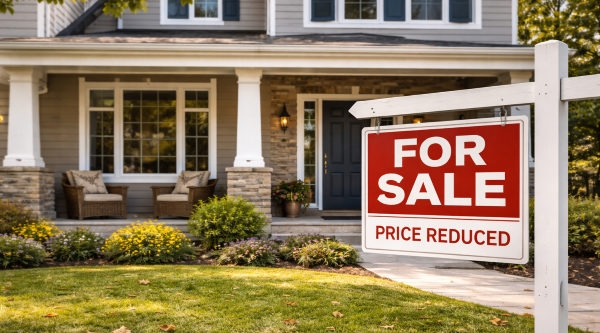
It's crucial to create a positive first impression with potential buyers by ensuring that the exterior of your home is visually appealing. Improving your home's curb appeal can greatly affect its marketability. Following are some tips to enhance the look of your home's exterior:
1. Landscaping: Ensure your lawn is well-maintained, and consider planting colorful flowers or shrubs to add visual appeal. Trim overgrown bushes and trees, and clean up any fallen leaves or debris.
2. Exterior Repairs: Address any visible exterior damage, such as peeling paint, broken windows, or loose siding. Repaint the front door and ensure the hardware is clean and in good condition.
3. Lighting: Illuminate the front porch and pathway with adequate outdoor lighting to create an inviting atmosphere during evening showings.
4. Cleanliness: Thoroughly clean the exterior of your home, including windows, gutters, and sidewalks. Remove any dirt, cobwebs, or mildew from the walls, and consider pressure washing if necessary.
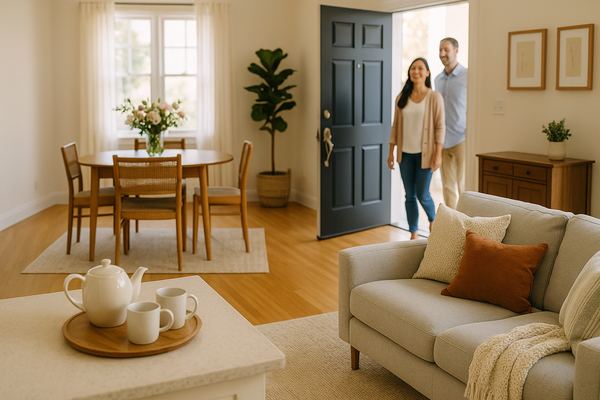
5. Welcoming Entrance: Make your front entrance welcoming by adding a fresh doormat, potted plants, and a new house number. Small touches like these can make a big difference.
Strong curb appeal sets the tone, but it’s only one part of a successful sale. For broader preparation, pricing, and negotiation guidance, explore our Real Estate Articles for Sellers to ensure every stage of your selling strategy is aligned.
Interior Updates and Repairs
Once potential buyers step inside, they should be greeted with a well-maintained and appealing interior. Here are some key areas to consider:
1. Declutter and Depersonalize: Remove excess furniture, personal items, and clutter to create a sense of space. This allows buyers to envision their belongings in the home.
2. Repairs and Maintenance: Fix any noticeable issues, such as leaky faucets, squeaky doors, or loose cabinet handles. These minor repairs demonstrate that your home has been well cared for.
3. Fresh Coat of Paint: Applying a fresh coat of paint can help transform a space and make it appear clean and updated. Neutral colors work best because they appeal to a wide range of buyers.
4. Flooring and Carpets: If your carpets are worn or stained, consider replacing them. Alternatively, have them professionally cleaned to give them a fresh appearance. Also, repair any damaged flooring, such as loose tiles or creaking floorboards.
5. Lighting and Fixtures: Upgrade outdated light fixtures and replace burnt-out bulbs. Good lighting can make spaces feel more inviting and highlight their best features.
Staging for Success
Staging your home is a fun and effective way to showcase its potential and create an emotional connection with buyers. Consider these staging tips:
- Rearrange Furniture: Arrange your furniture to create an open and inviting layout. Highlight the flow of the rooms and ensure that traffic paths are clear.
- Neutralize Decor: Tone down bold color schemes and personalized decor. Opt for neutral colors and simple, tasteful accessories that appeal to a broad audience.
- Maximizing Space: Remove unnecessary furniture and items to create a sense of spaciousness. Also, use mirrors strategically to enhance the feeling of light and space.
- Highlighting Features: Draw attention to your home's best features. If you have a beautiful fireplace, showcase it by arranging furniture around it. Keep the drapes open to let in natural light if you have large windows.
- Inviting Ambiance: Create an inviting atmosphere with pleasant scents, fresh flowers, and soft background music during showings. A cozy, welcoming home is more likely to leave a lasting impression.
Marketing Your Home
Once your home is fully prepared, your launch strategy matters just as much as the preparation itself. The first week on the market creates a perception of value. Strong photography, compelling copy, accurate pricing, and coordinated exposure generate urgency. Weak presentation creates doubt.
- Professional Photography: Invest in high-quality listing photos. Bright, wide-angle images that showcase space, light, and flow dramatically increase online engagement. The first photo should highlight your strongest visual asset.
- Compelling Listing Description: Your description should tell a story—not just list features. Highlight lifestyle benefits, natural light, upgrades, and neighborhood advantages. Buyers are buying a future, not square footage.
- Strategic Pricing Psychology: Pricing slightly below major psychological thresholds (for example, $399,900 instead of $405,000) increases search visibility and buyer traffic. A competitively positioned price often attracts more attention and can create stronger negotiating leverage.
- First-Week Exposure Plan: Coordinate MLS placement, online portals, email blasts, and social sharing simultaneously. Momentum attracts buyers. Staggered marketing reduces impact.
- Open Houses with Purpose: Host open houses early in the listing cycle to capture peak interest. Ensure the home is staged, well-lit, and inviting. Collect visitor feedback to refine your strategy if needed.
- Collaboration with a Skilled Agent: An experienced agent understands buyer behavior, local pricing trends, and negotiation strategy. Marketing is not just exposure—it’s positioning your home to compete effectively.
When preparation, pricing, and promotion align, buyers feel confident. Confidence leads to stronger offers.
If you want a broader, step-by-step breakdown of how sellers can execute preparation, pricing, exposure, and negotiation with clarity, review our Real Estate How-To Resources for Sellers . It expands on launch strategy, positioning psychology, and decision checkpoints that protect both momentum and profit.
Conclusion
Preparing your home for sale requires more than cleaning and repairs—it requires thoughtful positioning. Strong curb appeal attracts interest. Interior updates build confidence. Strategic staging creates emotional connection. Smart pricing and coordinated marketing generate momentum.
Buyers compare value instantly. When your home looks aligned with its price and presents as move-in ready, hesitation decreases and competition increases. The goal is not simply to list—it is to launch with impact and negotiate from strength.
A well-prepared home does more than attract buyers—it positions you for a smoother transaction and a stronger outcome. Return to Top
Seller Strategy Library

Home > Real Estate Articles for Sellers >> Preparing Your Home for Sale
🔥Top Pages in August 2026

💌 Expired Listing Letters →
Send the message that gets sellers calling you back
📝 Email Marketing for Real Estate Agents →
Send emails that spark replies and start real conversations
🏷️ Real Estate Agent Directory →
Get discovered by buyers, sellers, and referral partners searching for agents
🏷️Real Estate Marketing Talk Blog →
Get fresh ideas that help agents grow, connect, and win more business
📬Real Estate Website Content →
Simple System. Uncommon Results.
🚪 Your Gateway to Targeted Insights

👔 For Agents →
Branding tips, lead gen strategies & marketing tools to grow your business
🏡 For Buyers → Smart buying guides, market insights & negotiation tips for your next move
📦 For Sellers → Listing prep, pricing strategies & proven tactics to sell fast and profitably
💰 For Investors → ROI-focused content, property analysis tools & market trend breakdowns