Real Estate Postcard Marketing Campaign: Million Dollar Mailings That Win Listings, Leads, and Referrals
Overview | Campaign Framework | Why Postcards Work | Choosing Your Audience | Design & Messaging | Mailing Strategy | Measuring Results | FAQ | Strategic Pages | More Resources
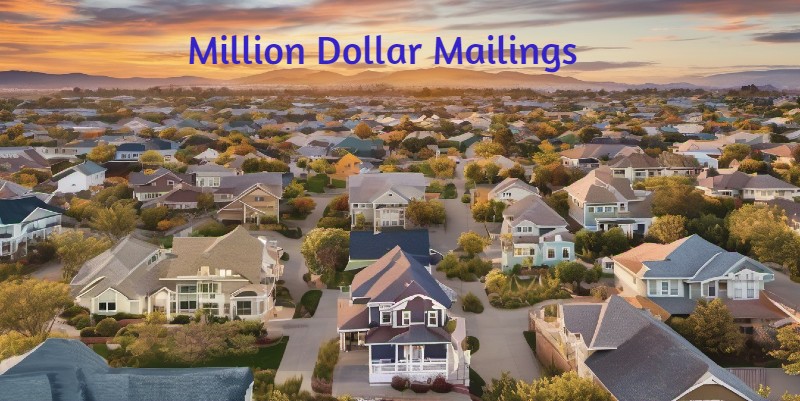
A successful real estate postcard marketing campaign is not a single mailing. It's a deliberate system of repeated exposure that keeps your name, message, and expertise in front of homeowners until they're ready to act.
When implemented consistently, postcard campaigns generate visibility, reinforce credibility, support geographic farming efforts, and create listing opportunities that compound over time.
Overview
Many agents abandon postcard marketing before it has a chance to work. Not because postcards fail, but because the mailing strategy fails.
One postcard rarely produces meaningful results. Repeated exposure does.
The agents who consistently generate listings from direct mail understand that homeowners often need several interactions before they recognize a name, trust a brand, and take action.
A strategic postcard marketing campaign creates those interactions through carefully planned messaging, consistent visibility, and ongoing follow-up.
Real Estate Postcard Campaign Framework
The biggest mistake agents make is treating postcard marketing as a one-time event.
A postcard campaign works because every mailing reinforces the previous one. Recognition grows. Familiarity increases. Trust develops.
A Proven Campaign Framework
- Select a clearly defined audience.
- Create a focused message.
- Maintain a consistent mailing cadence.
- Drive recipients toward a specific action.
- Measure results and improve future campaigns.
The postcard makes the promise.
Your website delivers the details.
Together they create a repeatable marketing system capable of generating leads, listing appointments, referrals, and long-term brand recognition.
Why Postcards Work
Postcards remain effective because they place your message directly into a homeowner's hands.
Unlike digital advertising, there are no algorithms controlling visibility, no crowded inboxes, and no ad blockers preventing delivery.
Your message arrives where homeowners live.
More importantly, consistent campaigns create familiarity. The first postcard may be ignored. The second may be noticed. By the fourth or fifth touch, many homeowners recognize your name and begin associating it with local market activity.
Why Successful Postcard Campaigns Continue To Deliver Results
- Messages are seen immediately.
- Repeated exposure strengthens recognition.
- Campaigns support geographic farming efforts.
- Postcards drive traffic to websites and landing pages.
- Performance can be measured and improved.
- Campaigns remain largely invisible to competitors.
That final advantage is frequently overlooked.
Most online marketing activity is visible. Competitors can see your ads, social media content, and website activity. Postcard campaigns allow agents to experiment with messaging, offers, and targeting without publicly revealing their strategy.
The result is a marketing channel that builds awareness while simultaneously creating competitive advantages.
Choosing Your Audience
The success of any postcard campaign begins with audience selection.
Rather than mailing everyone, successful agents focus on homeowners most likely to respond to a specific message or offer.
High-Performing Campaign Audiences
- Geographic farm neighborhoods.
- Long-term homeowners with substantial equity.
- Expired and withdrawn listings.
- Absentee owners.
- Small-scale landlords.
- Owners of aging properties.
- Past clients and referral sources.
- Investors and property flippers.
The more precisely you define your audience, the easier it becomes to create marketing that feels relevant, timely, and valuable.
Design & Messaging
Most homeowners decide within seconds whether a postcard deserves attention.
Strong design and focused messaging determine whether your marketing gets read or discarded.
The Best Postcards Share Common Traits
- Benefit-driven headlines.
- Strong visuals.
- Clear positioning.
- One primary message.
- One call to action.
- Consistent branding.
Avoid trying to communicate everything at once.
The most successful postcards usually focus on a single idea and a single next step.
Mailing Strategy
Consistency matters more than creativity.
Many agents spend too much time creating new campaigns when their existing campaigns haven't been given enough time to work.
People do not typically hire the agent they saw once.
They hire the agent they continue seeing.
Sample Eight-Week Campaign
Week 1: Introduction postcard.
Introduce yourself, your market expertise, and your value proposition.
Week 3: Market update postcard.
Share local activity, pricing trends, or neighborhood insights.
Week 5: Just Sold postcard.
Provide evidence of activity and reinforce credibility.
Week 7: Home valuation offer.
Direct homeowners toward a landing page, valuation tool, or consultation request.
Then repeat the cycle.
The goal is not constant reinvention.
The goal is consistent visibility.
Measuring Results
Tracking performance transforms postcard marketing from guesswork into strategy.
Effective campaigns generate both immediate responses and long-term awareness.
Some homeowners call right away. Others call months later after repeated exposure.
Useful Metrics To Monitor
- Phone inquiries.
- Landing page visits.
- QR code scans.
- Valuation requests.
- Listing appointments.
- Neighborhood response rates.
- Lead quality.
- Cost per lead.
Consistent measurement helps identify what deserves more investment and what needs improvement.
Real Estate Postcard Marketing Campaign FAQ
Do real estate postcard campaigns still work?
Yes. Postcard campaigns remain effective because they place your message directly in a homeowner's hands without competing against inbox filters, social-media algorithms, or online advertising clutter. Consistent exposure creates familiarity, and familiarity often becomes trust.
How often should real estate agents mail postcards?
Most agents should plan on mailing at least monthly. Strong campaigns rely on repeated exposure over several months rather than one-off mailings that disappear from memory.
Understand how mailing frequency influences campaign performance →
Is there an ideal postcard mailing schedule?
Many successful agents alternate between introductions, market updates, recently sold properties, neighborhood insights, and home valuation offers. The exact schedule matters less than maintaining consistency.
See sample mailing schedules agents can adapt to their markets →
How can I reduce postcard marketing costs?
Better targeting usually improves profitability faster than cutting volume. Mailing a smaller audience repeatedly often outperforms mailing a much larger audience once.
How do I know if my campaign is working?
Track calls, QR scans, website visits, valuation requests, listing appointments, and conversions from mailed households. The most valuable insights usually come from performance trends rather than individual mailings.
What's the best postcard strategy for geographic farming?
Geographic farming succeeds when homeowners repeatedly see the same agent providing useful local information over an extended period. Consistency and relevance matter more than flashy design.
Strategic Pages To Read Next
Once your campaign structure is in place, the next challenge becomes improving targeting, measuring results, and maintaining visibility long enough to become the obvious choice when homeowners are ready to make a move.
- Create neighborhood familiarity that compounds with every postcard you send
- Identify which campaigns generate real business and which deserve refinement
- Stretch your marketing budget further without sacrificing consistency
More Must Know Real Estate Marketing Resources



Home > Real Estate Postcards > Real Estate Postcard Marketing Campaign
🔥Top Pages in September 2026

💌 Expired Listing Letters →
Send the message that gets sellers calling you back
🏷️ Real Estate Agent Directory →
Get discovered by buyers, sellers, and referral partners searching for agents
📝 Email Marketing for Real Estate Agents →
Send emails that spark replies and start real conversations
🏷️Real Estate Marketing Talk Blog →
Get fresh ideas that help agents grow, connect, and win more business
📬Real Estate Website Content →
Simple System. Uncommon Results.
🚪 Your Gateway to Targeted Insights

👔 For Agents →
Branding tips, lead gen strategies & marketing tools to grow your business
🏡 For Buyers → Smart buying guides, market insights & negotiation tips for your next move
📦 For Sellers → Listing prep, pricing strategies & proven tactics to sell fast and profitably
💰 For Investors → ROI-focused content, property analysis tools & market trend breakdowns