IDX Real Estate Websites: How Agents Turn Property Search Into Leads

IDX real estate websites allow agents to display MLS listings directly on their own websites. Instead of sending visitors to large property portals, IDX technology keeps buyers searching on your site — where you control the experience, the messaging, and the next step.
For many agents, IDX becomes the turning point between having a website that simply exists and having one that actively supports their business. When implemented thoughtfully, an IDX-enabled website becomes a powerful combination of property search tool, market resource, and lead generator.
If you are exploring the broader strategy behind building an effective agent website, our guide to website design for realtors explains how design, structure, and marketing work together to create a strong online presence.
What IDX Real Estate Websites Actually Do
IDX stands for Internet Data Exchange. It allows real estate professionals to legally display MLS listings on their own websites while remaining compliant with local MLS rules.
Instead of linking buyers to third-party listing portals, IDX allows your own real estate agent website to become the place where visitors search homes, explore neighborhoods, and learn about working with you.
This shift matters more than it might appear. When visitors search properties on your website rather than a national portal, you control the environment where those conversations begin.
Why IDX Websites Matter for Modern Agents
Homebuyers expect to browse listings easily. If your website cannot provide that experience, many visitors will simply leave and continue their search elsewhere.
IDX solves that problem by turning your site into a property search destination. Instead of acting as a digital brochure, your site becomes a place where visitors actively explore homes.
Many high-performing sites combine IDX with thoughtful real estate web design that emphasizes clarity, speed, and simple navigation. When design and property search tools work together, visitors naturally stay longer and explore more pages.
Key Features of Effective IDX Real Estate Websites
Not every IDX website delivers the same experience. The most effective ones share several common elements.
Clean search tools
Visitors should be able to search by price range, property type, and neighborhood with minimal friction.
Fast loading listings
Speed matters. Slow listing pages often cause visitors to abandon their search.
Mobile-friendly browsing
Most buyers now search from their phones. IDX search tools must be easy to use on smaller screens.
Clear contact paths
Property search should naturally guide visitors toward contacting you, requesting a showing, or asking a question.
Agents often study examples of high-performing sites through resources like best realtor website strategies, which highlight design patterns that consistently convert visitors into inquiries.
How IDX Websites Generate Real Estate Leads
IDX itself does not magically produce leads. What it does provide is a reason for visitors to remain on your website longer.
When buyers browse homes, compare neighborhoods, and revisit listings, they spend more time interacting with your site. That engagement creates opportunities for natural lead capture.
Many agents combine IDX tools with broader real estate internet marketing strategies such as email alerts, neighborhood guides, and helpful articles.
Over time this combination transforms your real estate website from a simple introduction page into a genuine resource for buyers and sellers.
SEO and IDX Websites
Property search tools attract visitors once they arrive, but search visibility is what brings them to your website in the first place.
Agents who want consistent traffic often strengthen their visibility with real estate search engine optimization. SEO focuses on publishing helpful pages that match what buyers and sellers are already searching for.
Content plays an important role here. Articles, neighborhood pages, and educational guides create entry points for search traffic. A thoughtful real estate website content strategy helps connect those visitors to your IDX search tools and services.
Choosing the Right IDX Platform
There are many IDX solutions available to agents. The best choice depends on your market, budget, and marketing goals.
Look for platforms that offer:
- Fast MLS integration
- Mobile-friendly search tools
- Reliable MLS compliance
- Flexible design options
- Simple lead capture forms
Remember that IDX is only one part of your overall website strategy. Design clarity, helpful content, and consistent marketing are what turn property search into long-term business growth.
Final Thoughts on IDX Real Estate Websites
IDX technology helps transform your website from a digital brochure into a working platform where buyers actively explore homes.
But the technology itself is only part of the story. The real opportunity comes when IDX search tools are combined with thoughtful website design, helpful content, and a clear path for visitors to connect with you.
When those pieces work together, your website becomes something far more valuable than an online business card. It becomes a place where relationships begin.
Explore More Website Strategy Articles

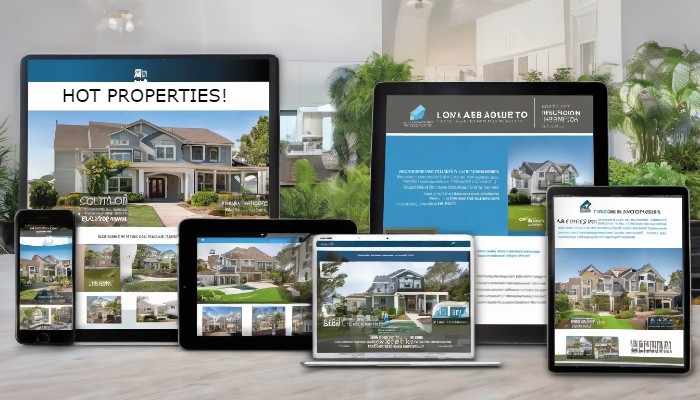

The best agent websites aren’t built to impress other agents. They’re built to help buyers explore, understand neighborhoods, and take the next step with confidence. When property search, local expertise, and helpful content come together, visitors stay longer—and conversations start naturally. That’s the quiet strength of well-built IDX real estate websites.
Home > Website Design for Realtors >> IDX Real Estate Websites
🔥Top Pages in July 2026

💌 Real Estate Marketing Talk Home Page→
Timely Strategies and Resources for Agents | Buyers, Sellers and Investors!
📝 Expired Listing Postcards →
Ideas That Flip the Script on Agent Visibility
🏷️How to Get Expired Real Estate Leads Without Cold Calling →
Create a system where expired listing owners call you first
📬Farming Expired Listings →
Simple System. Uncommon Results.
🏷️ Real Estate Agent Directory →
Magnetic Taglines That Pull Clients Toward You Instantly
🚪 Your Gateway to Targeted Insights

👔 For Agents →
Branding tips, lead gen strategies & marketing tools to grow your business
🏡 For Buyers → Smart buying guides, market insights & negotiation tips for your next move
📦 For Sellers → Listing prep, pricing strategies & proven tactics to sell fast and profitably
💰 For Investors → ROI-focused content, property analysis tools & market trend breakdowns